

WHO declares Bundibugyo Ebola in DRC and Uganda a global health emergency
The cross-border outbreak in Ituri Province and Kampala has triggered the World Health Organization's highest alert level and puts Zambia's northern border surveillance back on watch.
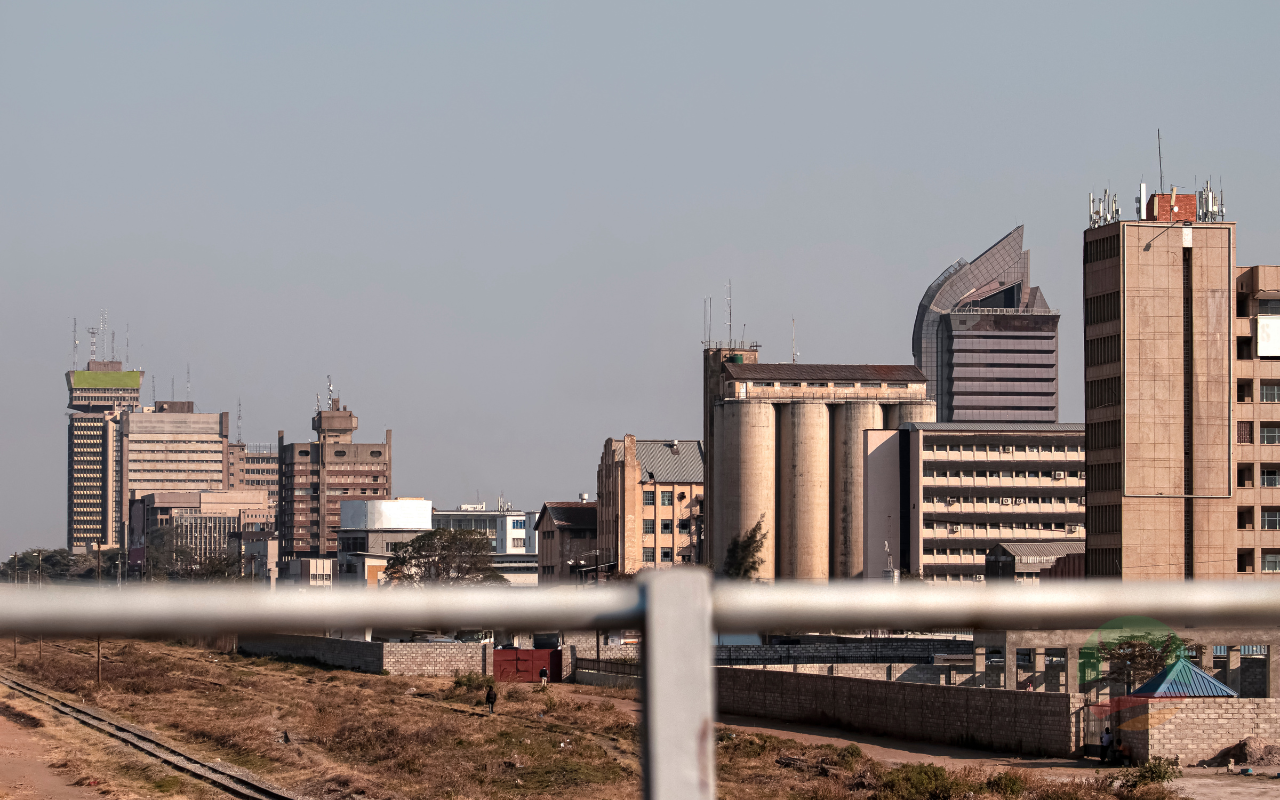
Photo: Jernej Furman from SloveniawikidataCC BY 2.0
LUSAKA, 18 MAY 2026—Updated 8 Jul 2026
GENEVA — The Ebola outbreak in eastern Democratic Republic of the Congo and Uganda is now a global health emergency, the most serious alert the world health system can issue.
The World Health Organization declares the cross-border outbreak in Ituri Province and Kampala a public health emergency of international concern (PHEIC), the agency said in a statement issued on 17 May. The determination triggers a coordinated international response and places binding reporting obligations on every country with a land border on either side.
The pathogen is Bundibugyo virus, a species of the Ebola virus family that does not yet have a licensed vaccine. As of 15 May, the WHO's disease outbreak notification (DON602) reported 8 laboratory-confirmed cases, 246 suspected cases and 80 deaths across three health zones in Ituri Province — Bunia, Rwampara and Mongbwalu — and two confirmed cases in Kampala, Uganda, including a Congolese man who died in the Ugandan capital.
What a PHEIC actually means
A PHEIC is the highest alert level under the International Health Regulations. The declaration is not a travel ban and it is not a pandemic. It is a finding by the WHO Director-General, on the advice of an emergency committee, that an event is serious, sudden, unusual or unexpected, that it carries international public health implications, and that it may require a coordinated international response.
The practical effect is that every signatory to the regulations — which is every WHO member state, Zambia included — must report cases consistent with the outbreak definition, must share epidemiological data with the WHO secretariat, and must implement the surveillance and screening measures the WHO recommends. The declaration unlocks technical and financial support and gives the WHO the authority to coordinate the international response.
The event constitutes a public health emergency of international concern. The Director-General considers that the situation is serious and unusual, and that the risk of further international spread is high.
— World Health Organization, determination statement, 17 May 2026
Why this strain is different
Public attention since the 2014 to 2016 West Africa outbreak has focused on Ebola Zaire, the strain for which an effective vaccine (Ervebo) has been licensed and stockpiled. Bundibugyo virus is a different species. It was first identified in western Uganda in 2007 and has a case-fatality rate in the historical record of around 25 to 35 per cent — high, but lower than Ebola Zaire.
The hard part is that there is no licensed vaccine and no specific antiviral approved for Bundibugyo. Treatment is supportive: fluids, electrolytes, oxygen, the management of secondary infections. Early supportive care is lifesaving. Late presentation is not.
How the outbreak unfolded
The first known patient developed symptoms on 24 April in the Mongbwalu Health Zone in Ituri Province, the WHO notification said. The alert reached Geneva on 5 May after a cluster of unexplained deaths in the same health zone, including health workers. Laboratory confirmation that the pathogen was Bundibugyo virus came on 15 May. The Ugandan Ministry of Health reported its first confirmed case the same week, in a Congolese traveller who had crossed into the country.
The outbreak's geography is the central complication. Ituri Province is one of the parts of the eastern DRC where humanitarian access is hardest, where armed groups operate in the same districts the WHO needs to enter, and where population mobility across the borders with Uganda and South Sudan is constant. Bunia, one of the affected health zones, is a regional hub. The outbreak is not in a remote village; it is in places where people move through, every day.
What WHO is recommending for neighbouring countries
The WHO's standing recommendations for countries that share a land border with an affected state apply to Zambia as well as to South Sudan, Rwanda, Burundi, Tanzania, Central African Republic, the Republic of the Congo and Angola. The agency's notification sets out a clear list of expectations.
Where Zambia fits
Zambia shares a long northern border with the Democratic Republic of the Congo, from the Copperbelt across Luapula and Northern provinces. The active outbreak zones are in Ituri, on the eastern side of the DRC, more than 1,500 kilometres from the nearest Zambian crossing. The first-order risk to Zambia is not direct overland spread from Ituri. It is the same risk Uganda faced: an infected traveller using regional transport links, including the Kasumbalesa or Mokambo crossings, before symptoms become obvious.
Zambia's Ministry of Health has standing protocols for Ebola surveillance dating from the 2018 to 2020 Kivu outbreak. The Africa Centres for Disease Control and Prevention (Africa CDC) coordinates the continent-wide response and has named a regional incident manager. The standing question for the public-health system is whether the response that worked against Ebola Zaire — vaccination of ring contacts plus rapid isolation — can be adapted to a strain that has no vaccine.
What to watch
Three signals in the next fortnight will tell editors how serious the outbreak is going to get. First, whether the case count in Kampala stays at two or rises — urban transmission in a capital city is the scenario that turned the 2014 West Africa outbreak from a regional event into a global one. Second, whether the WHO's emergency committee, which the Director-General has said he will convene, recommends specific travel measures beyond the standard recommendations. Third, whether MEURI-protocol use of experimental Bundibugyo therapeutics is authorised by the affected ministries; that decision shapes the survival math for confirmed cases.
Frequently Asked Questions
These are the questions readers have been asking since the WHO declared the PHEIC. Short answers follow, drawn from the WHO's own statement and the disease outbreak notification.
What is a public health emergency of international concern?
In short, a PHEIC is the highest alert level the World Health Organization can issue. The answer, simply put, is that it is a finding under the International Health Regulations that an event is serious, unusual or unexpected, carries international public health implications and may require coordinated international response. The key is that the declaration triggers reporting and coordination obligations on every WHO member state — Zambia included — without imposing a travel ban.
How does Bundibugyo virus spread?
Bundibugyo virus spreads through direct contact with the blood, vomit, diarrhoea or other bodily fluids of an infected person, the same routes as other Ebolaviruses. Research from past outbreaks shows that funerals and healthcare settings are the highest-risk environments because of the volume of fluid contact involved. Data from the 2007 Uganda outbreak reveals a case-fatality rate of around 25 to 35 per cent.
Why is this outbreak different from past Ebola epidemics?
Past large Ebola outbreaks have been driven by the Zaire strain, for which an effective vaccine is now licensed and stockpiled. According to the WHO notification, this outbreak is caused by Bundibugyo virus, which has no licensed vaccine and no specific antiviral. The answer is that the response toolkit is narrower; everything depends on case detection, isolation and supportive care.
Who is the WHO declaration for?
The declaration is for every WHO member state. In other words, it reaches Zambia, Uganda, the DRC and the seven other countries that share a land border with the affected provinces, as well as every transit hub on the continent. The PHEIC unlocks technical assistance and financing through the WHO Contingency Fund for Emergencies and obliges each state to share epidemiological data with Geneva.
What are the real risks for Zambia?
Analysis of the outbreak geography shows three durable risks for Zambia. Evidence from the 2014 West Africa outbreak reveals each one is operational, not theoretical. The first is an imported case via regional transport links — air or road — before symptoms are obvious. The second is healthcare-worker exposure if a suspected case presents at a facility without the necessary infection-control protocols. The third is supply-chain pressure on personal protective equipment and reagents if the outbreak runs for several months.
Sources
World Health Organization: determination of public health emergency of international concern, 17 May 2026; disease outbreak news DON602. United States Centers for Disease Control and Prevention: briefing transcript on the DRC and Uganda outbreak, 17 May 2026.
More on Africa/World

TAZARA at 50: Zambia weighs two routes to the sea
As TAZARA turns 50, landlocked Zambia is weighing two rival routes for its copper: east to the Indian Ocean via a rebuilt TAZARA, or west to the Atlantic via the Lobito Corridor.

African leaders back trade insurer ATIDI after record year
African leaders endorsed ATIDI — the pan-African insurer Zambia belongs to — as a cornerstone of a new African-led financial architecture, as the body marked 25 years with record 2025 results and a call to recapitalise it to US$2 billion.
The Kwacha News briefing.
Business, markets and the Zambian economy — in your inbox.
