

SpaceX raises $75bn in record stock market listing
SpaceX has raised $75bn at a $1.75 trillion valuation in the largest stock-market listing in history — and the engine behind it is Starlink, the satellite network now reaching across Africa.
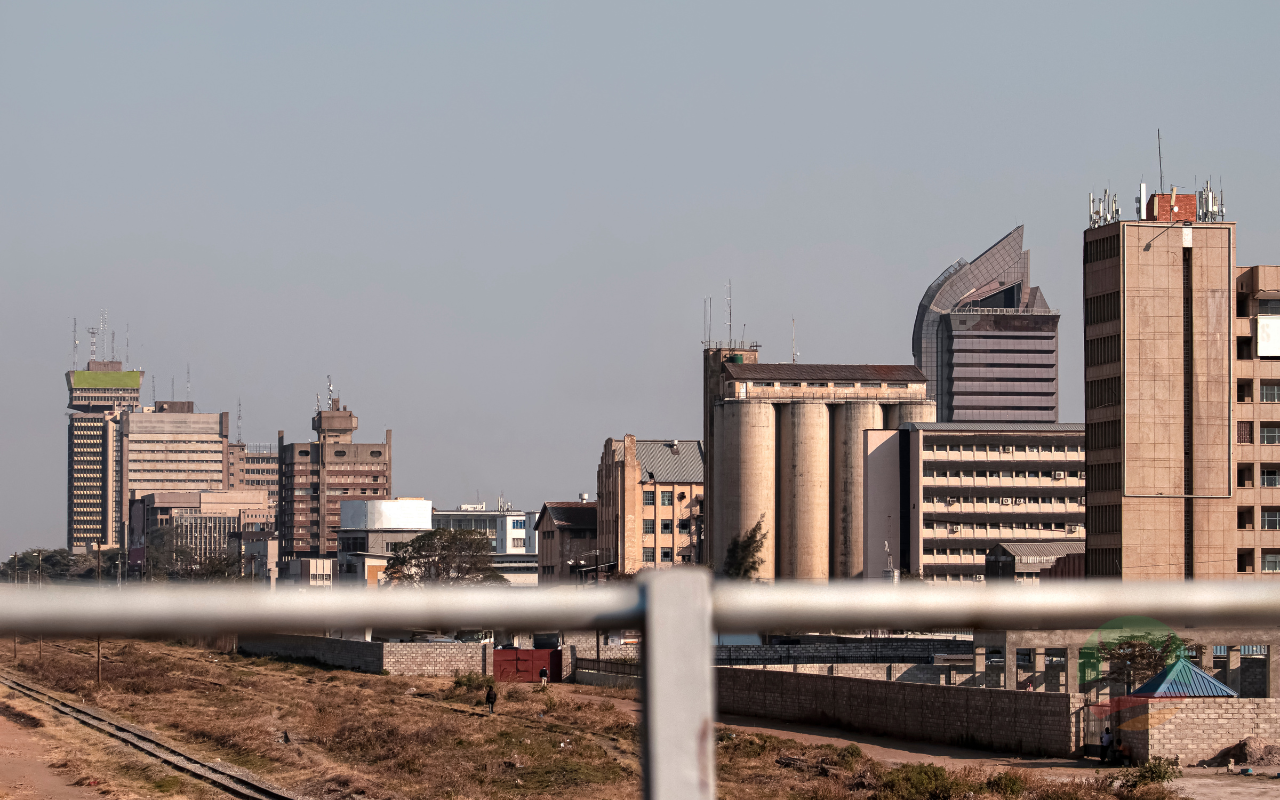
Photo: Maxim KlimashinUnsplashUnsplash License
LUSAKA, 12 JUNE 2026—Updated 20 Jun 2026
NEW YORK — SpaceX has raised $75bn in the largest stock-market listing in history, a debut that represents a record high for investor appetite in the space and satellite industry.
The listing matters for Africa because the company’s value rests on Starlink, the satellite-internet network that is extending broadband to parts of the continent — including Zambia — that fixed and mobile networks have never reached. SpaceX priced its initial public offering (IPO) at a $1.75 trillion valuation, eclipsing Saudi Aramco’s 2019 record of $35.4bn raised, and began trading on the Nasdaq under the ticker SPCX.
The numbers are large by any measure. According to CNBC, SpaceX sold about 556.6 million shares at roughly $135 each to raise the $75bn, and retail investors placed around $100bn in orders through platforms such as Robinhood, Fidelity and SoFi — more than the company set out to raise.
What turns a rocket company into a $1.75 trillion business is Starlink. The network is SpaceX’s only profitable division, and its growth is what investors are buying. This story is part of Kwacha News’s continuing markets coverage.
What was sold
SpaceX raised $75bn by selling roughly 556.6 million shares at about $135 apiece, valuing the company at $1.75 trillion. That makes the listing the biggest in capital-markets history, ahead of Saudi Aramco’s 2019 debut. The scale of demand was its own headline: retail orders alone reached about $100bn.
The valuation is steep. At $1.75 trillion, SpaceX is priced at roughly 94 times its 2025 revenue of $18.7bn — a multiple far above even the richest technology firms, where the chipmaker Nvidia trades at less than a quarter of that. The price assumes years of fast growth, most of it from Starlink.
Starlink is the reason. The division generated $3.26bn in revenue in the first quarter of 2026, about 69% of SpaceX’s total, and is projected to bring in roughly $20bn across the year — between 70% and 75% of company revenue. The rockets get the attention; the satellites pay the bills.
SpaceX began trading on the Nasdaq in the largest IPO ever, raising $75bn at a $1.75 trillion valuation, surpassing Saudi Aramco’s 2019 record of $35.4bn.
— Reporting on the listing, <a href="https://www.cnbc.com/2026/05/20/spacex-ipo-live-updates.html">CNBC, 2026</a>
Snapshot: SpaceX raised $75bn at a $1.75 trillion valuation in the largest stock-market listing in history, trading on the Nasdaq as SPCX and beating Saudi Aramco’s 2019 record (CNBC, Reuters). Starlink, its satellite-internet network and only profitable division, made $3.26bn in Q1 2026 — about 69% of revenue — and is projected at roughly $20bn for the year. Starlink service is expanding across Africa, including Zambia.
Background
Starlink is where the listing touches Africa. The network beams broadband from low-orbit satellites to a small dish, which means it can serve places with no fibre and patchy mobile coverage — exactly the rural and remote areas across Zambia and the wider continent where connectivity has lagged. As the service rolls out market by market, it becomes an alternative to the terrestrial networks that have struggled to reach everyone.
That promise comes with trade-offs familiar to African regulators and users: the cost of the hardware and subscription, the question of who controls a foreign-owned network carrying national traffic, and how it sits alongside local operators. Kwacha News has examined the building blocks of the country’s digital economy, including what a national data centre means for Zambia.
The listing also lands amid a rush of giant technology flotations and fundraisings. Kwacha News has tracked that wave and what it means for the continent, from an OpenAI listing and the AI capital race in Africa to the broader question of who captures the value these companies create. SpaceX is the largest of them, and the most directly tied to African connectivity.
What to watch
The first thing to watch is whether the valuation holds. At 94 times revenue, the price leaves no room for disappointment, so Starlink’s subscriber and revenue growth through 2026 will decide whether the debut looks visionary or overpriced.
The second is Starlink’s African rollout. The number that matters for the continent is how fast the service reaches new markets and at what price, because affordability — not availability — is what determines whether it closes the connectivity gap or serves only those who can pay.
The third is the regulatory response. The decision point for governments, including Zambia’s, is how to license and oversee a foreign satellite network that can bypass local infrastructure. How that question is answered will shape whether Starlink becomes a complement to national operators or a competitor that reshapes the market.
Frequently Asked Questions
These are the questions readers have been asking about the SpaceX listing. Short answers follow, drawn from reporting on the IPO and the company’s filings.
What is the SpaceX IPO?
In short, the SpaceX IPO is the company’s stock-market listing, which raised $75bn at a $1.75 trillion valuation. The answer, simply put, is that it is the largest initial public offering in history, trading on the Nasdaq under the ticker SPCX. The key is that the value rests on Starlink, its satellite-internet network.
Why is the listing significant?
The answer is its size and what it signals. Data shows the $75bn raise beats Saudi Aramco’s 2019 record, and the demand — about $100bn in retail orders — reveals how much appetite there is for space and satellite assets. The key is that it values a single company at $1.75 trillion.
How does Starlink fit into SpaceX’s value?
Simply put, Starlink is the profit engine. According to the filings, the division generated $3.26bn in the first quarter of 2026, about 69% of SpaceX revenue, and is projected at roughly $20bn for the year. The key is that investors are buying Starlink’s growth, not just rockets.
Who is investing in SpaceX?
The answer is institutions and a wave of retail buyers. Evidence from the listing shows retail investors placed about $100bn in orders through platforms such as Robinhood, Fidelity and SoFi, exceeding the company’s fundraising target on their own.
Which part of the company matters most for Africa?
According to the analysis, the answer is Starlink. Research on connectivity shows satellite broadband can reach rural and remote areas that fibre and mobile networks miss, so Starlink’s rollout — and its price — is what determines the listing’s relevance for Zambia and the continent.
Sources
CNBC: SpaceX IPO live updates, with share and pricing detail also reported by the news agency Reuters. Kwacha News coverage: the OpenAI listing and the AI capital race in Africa and what a national data centre means for Zambia.
More on Markets

Zambia's inflation holds at 6.5% for a second month
Annual inflation stayed at 6.5% in July 2026, ZamStats said. Food inflation eased to 6.4% while non-food rose to 6.7%, holding the headline rate inside the central bank's target band.

Bank of Zambia cuts kwacha reserve ratio to 21%
The Bank of Zambia cut the statutory reserve ratio on kwacha deposits to 21% from 26%, freeing about K5 in every K100 of deposits for lending. The ratio on foreign-currency deposits stays at 36%.
The Kwacha News briefing.
Business, markets and the Zambian economy — in your inbox.

