

Lusaka doubles Chunga plant, builds new Ngwerere sewage works
The capital’s wastewater system is being overhauled under the Lusaka Sanitation Programme, with two treatment plants and new trunk sewers funded by European lenders.
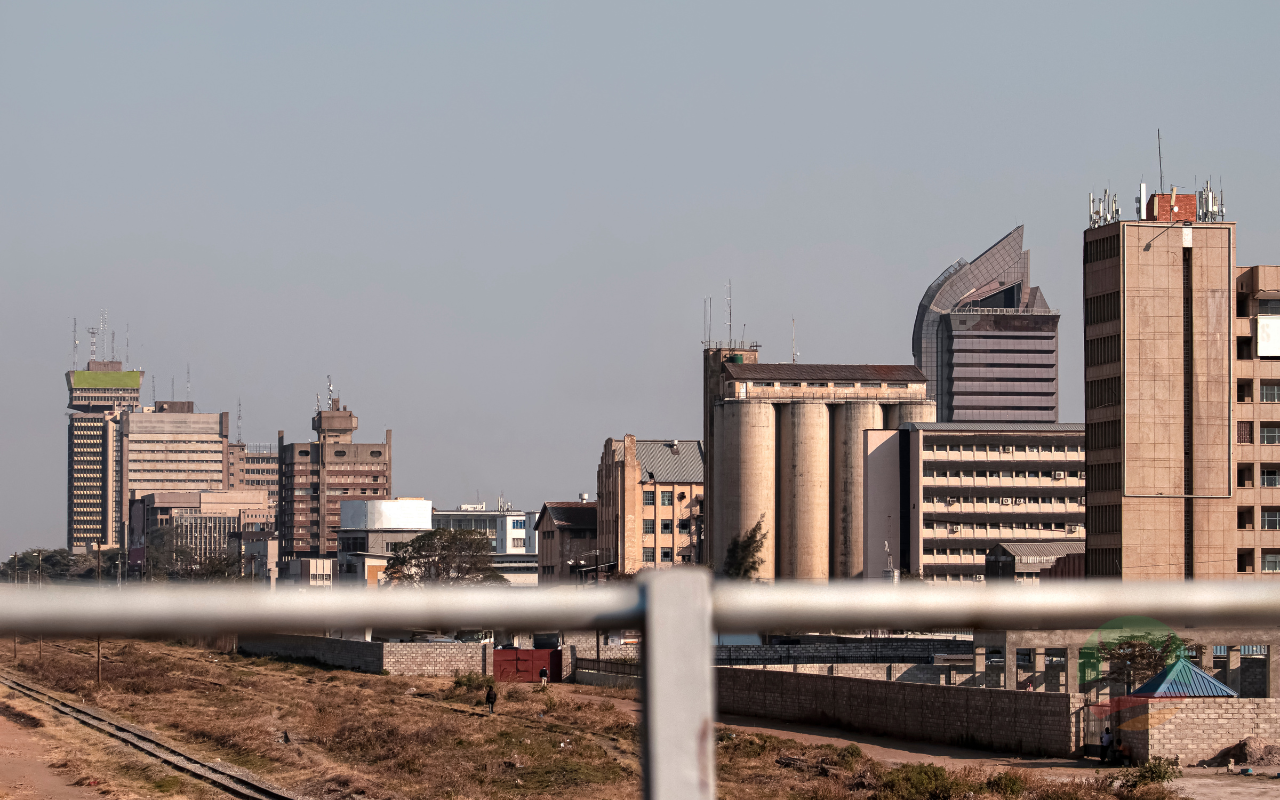
Photo: LucyinwikidataCC BY-SA 4.0
LUSAKA, 21 JUNE 2026—Updated 8 Jul 2026
LUSAKA — Lusaka’s sewage system is being overhauled, with the Chunga treatment plant doubled and a new 54-million-litre plant built at Ngwerere under the Lusaka Sanitation Programme.
The upgrade doubles the capital’s flagship treatment plant, and it matters because Lusaka’s wastewater network has long lagged the city’s growth, leaving households reliant on pit latrines and septic tanks that contaminate groundwater and feed cholera outbreaks. The Lusaka Water Supply and Sanitation Company said the upgrade extends piped sewerage into the densely settled Chunga catchment for the first time. Kwacha News is following the project as part of its local affairs coverage, alongside reporting on how state institutions reach Zambians at home and abroad.
The Lusaka Water Supply and Sanitation Company said the Chunga Wastewater Treatment Plant is being expanded from 9 million litres a day to 18.7 million litres a day, roughly doubling its capacity. A second, larger plant under construction at Ngwerere will treat 54 million litres a day once complete, the utility said, giving the capital two anchor treatment works on its northern flank.
The Ministry of Water Development and Sanitation said the programme also lays roughly 20km of trunk sewer pipelines and builds five sewage pump stations to move flows from low-lying neighbourhoods to the treatment plants. Trunk sewers are the large-diameter mains that carry combined household waste toward a plant, and the pump stations lift sewage over the ridges that break up Lusaka’s drainage.
The ministry said sewer connections in the Chunga catchment began in the first quarter of 2026. More than 60 households had been connected and overall works were about 19 per cent complete, the ministry said, an early stage that the utility expects to accelerate as trunk lines are commissioned and pump stations come online.
Funding for the upgrade is blended. According to the World Bank, which records the wider Lusaka Sanitation Project, the works draw on a €33 million grant channelled through Germany and its development bank KfW and a €102.5 million loan from the European Investment Bank, all within a Lusaka Sanitation Programme valued at about US$300 million. The mix of grant and concessional loan keeps the cost to Zambian ratepayers below a fully commercial borrowing.
The Ministry of Water Development and Sanitation said the design pairs the two plants so that capacity follows the new sewers rather than lagging them. The Chunga expansion to 18.7 million litres a day handles flows from the western compounds, while the 54-million-litre Ngwerere plant is sized for the larger volumes the trunk network and five pump stations are built to deliver across the city.
The utility said the phased rollout is meant to keep the network in service as it grows. Connections in the Chunga catchment opened in the first quarter of 2026, and the early figure of more than 60 connected households is a baseline the company expects to climb sharply as the 20km of trunk sewers are commissioned and the pump stations come online through the year.
For residents, the stakes are immediate. Untreated waste is a recurring public-health hazard in Lusaka’s unplanned compounds, and the new network is designed to take human waste out of the shallow water table that many households still draw on. The project sits alongside other tests of how the state delivers basic services, from the response to the Chingola dump disaster and its rescue-funding gaps to the reach of utilities into informal settlements.
Key figures: The Chunga plant rises from 9 million to 18.7 million litres a day. The new Ngwerere plant will treat 54 million litres a day. The works add about 20km of trunk sewers and five pump stations, funded by a €33 million Germany/KfW grant and a €102.5 million European Investment Bank loan within the US$300 million Lusaka Sanitation Programme.
Snapshot: The Lusaka Water Supply and Sanitation Company is doubling the Chunga treatment plant to 18.7 million litres a day and building a new 54-million-litre plant at Ngwerere, plus about 20km of trunk sewers and five pump stations. The Ministry of Water Development and Sanitation said Chunga catchment connections began in early 2026, with more than 60 households linked and works about 19 per cent complete. Funding blends a €33 million Germany/KfW grant and a €102.5 million European Investment Bank loan inside the US$300 million Lusaka Sanitation Programme.
Background
The Lusaka Sanitation Programme is the long-running effort to bring sewerage to a capital that grew far faster than its pipes. The World Bank records the umbrella Lusaka Sanitation Project as a roughly US$300 million undertaking pairing the World Bank’s own support with European finance, and the Chunga and Ngwerere works are the treatment backbone of that plan.
Most of Lusaka has never been connected to a sewer. The Ministry of Water Development and Sanitation has framed the programme as a shift from on-site sanitation, such as pit latrines and septic tanks, toward a piped network that ends in treatment rather than seeping into the aquifer the city drinks from. Doubling Chunga and adding Ngwerere gives the network somewhere to send the waste the new sewers will collect.
What to watch
The next milestone is connection pace. With Chunga catchment works about 19 per cent complete and more than 60 households linked in early 2026, the test is whether the utility can scale household connections as trunk sewers and pump stations are commissioned through the year.
The second is the Ngwerere plant. Bringing a 54-million-litre-a-day works online is the larger engineering lift, and its commissioning date will set how much of the captured sewage Lusaka can actually treat rather than store. Progress reporting from the Ministry of Water Development and Sanitation is the data point to track.
Frequently Asked Questions
These are the questions readers have been asking about Lusaka’s sewage upgrade. Short answers follow, drawn from the Ministry of Water Development and Sanitation and the World Bank’s record of the Lusaka Sanitation Project.
What is the Lusaka Sanitation Programme?
In short, the Lusaka Sanitation Programme is a roughly US$300 million effort to extend piped sewerage and treatment across the capital. According to the World Bank, it blends World Bank support with European grant and loan finance, and the Chunga and Ngwerere plants are its treatment backbone.
How much bigger is the Chunga treatment plant becoming?
The answer is that capacity is roughly doubling. The Ministry of Water Development and Sanitation said the Chunga Wastewater Treatment Plant is being upgraded from 9 million litres a day to 18.7 million litres a day, evidence of a step change in how much of the city’s waste can be processed.
What will the new Ngwerere plant do?
Simply put, the new Ngwerere plant will treat 54 million litres of wastewater a day. Data from the ministry shows it as the larger of the two works, designed to take flows that about 20km of new trunk sewers and five pump stations will carry across Lusaka’s ridges.
Who is paying for the works?
The key is blended finance. According to the World Bank, funding includes a €33 million grant via Germany and KfW and a €102.5 million European Investment Bank loan, all within the US$300 million Lusaka Sanitation Programme, which keeps the cost to ratepayers below a fully commercial loan.
How far along is the project?
In other words, it is still early. The Ministry of Water Development and Sanitation said sewer connections in the Chunga catchment began in the first quarter of 2026, with more than 60 households connected and overall works about 19 per cent complete, analysis the utility expects to improve as trunk lines are commissioned.
Sources
Project figures and connection progress: Ministry of Water Development and Sanitation. Programme scope and financing: World Bank — Lusaka Sanitation Project (P149091).
More on Local

Great East Road to be widened into a dual carriageway
President Hakainde Hichilema pledged to widen the Great East Road into a dual carriageway and build the Chipata-Lundazi road, alongside a 100MW solar project and hospital upgrades in Eastern Province.

Lusaka widens Twin Palm Road into a dual carriageway
The Lusaka City Council says work to widen Twin Palm Road from a single into a dual carriageway is progressing and due for completion in September 2026, part of a 40.17km, K1.8 billion township roads programme funded by the Ministry of Local Government and Rural Development.

Kasama council reports progress on road rehabilitation
Kasama Municipal Council says a K11.4 million road rehabilitation programme funded through the 2025 Constituency Development Fund has completed St Theresa Road and is now grading Chiba Road, with Chanda Mukulu Road still to start.
The Kwacha News briefing.
Business, markets and the Zambian economy — in your inbox.