

Kitwe driver arrested after assault on AVIC supervisor
Zambia Police Service says a 32-year-old driver was arrested over the assault of a Chinese national supervising an AVIC road-construction camp on the Mufulira–Mokambo Road, more than a week after the incident.
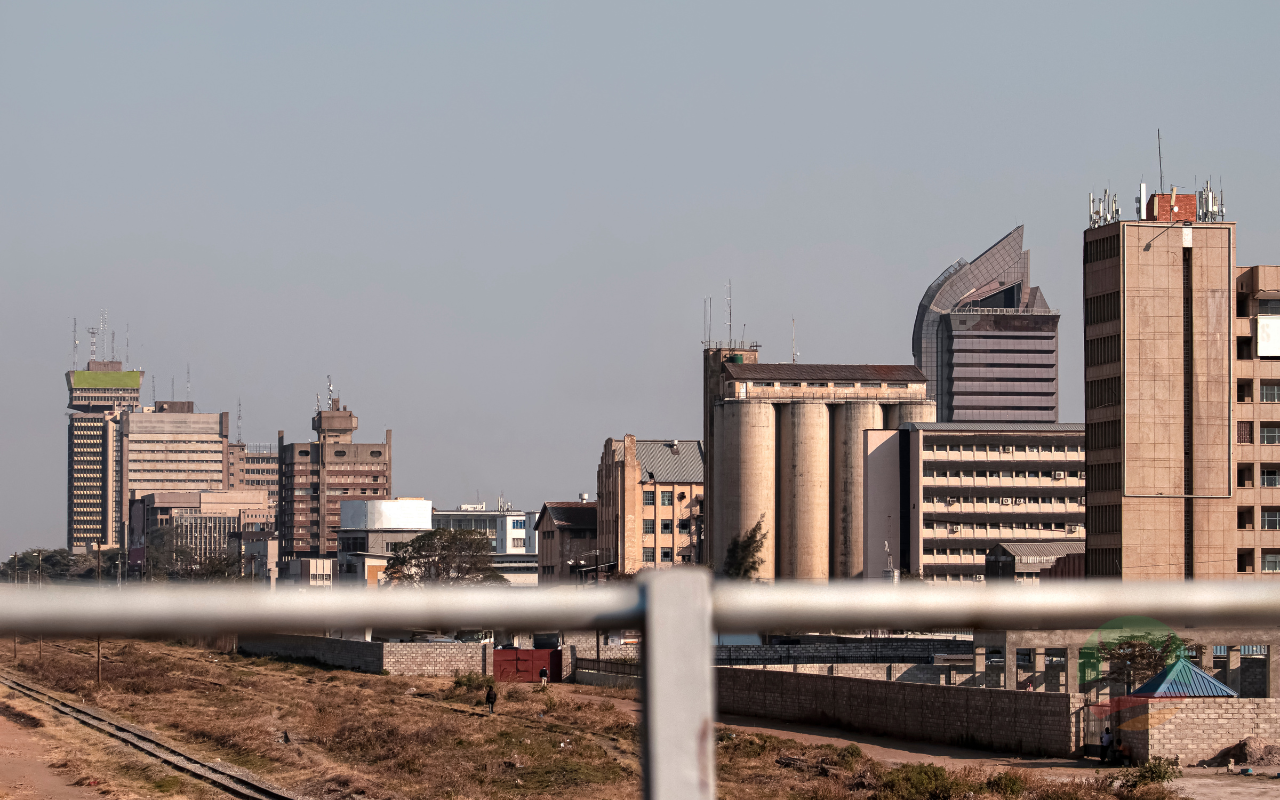
Photo: Troy MortierUnsplashUnsplash License
LUSAKA, 3 JULY 2026—Updated 8 Jul 2026
KITWE — A 32-year-old driver is in police custody after a Chinese supervisor was assaulted at an AVIC construction site on the Copperbelt, police say.
The Zambia Police Service confirmed the arrest on 2 July, more than a week after the incident, saying investigations are continuing into what happened at the AVIC International Camp Site along the Mufulira–Mokambo Road. The case puts a spotlight on workplace relations at the Chinese-financed road projects that have become a fixture of Copperbelt infrastructure spending in recent years.
Snapshot — key facts: Incident date: 28 June 2026, around 10:30 a.m. Location: AVIC International Camp Site, Mufulira–Mokambo Road, Copperbelt Province. Suspect: a 32-year-old driver from Kitwe, arrested and in custody. Complainant: a Chinese national supervising the site for AVIC. Confirmed by: Zambia Police Service public relations, 2 July 2026.
What police say happened
According to the Zambia Police Service, the assault took place at around 10:30 a.m. on 28 June at the AVIC International Camp Site, a work camp attached to a road-construction project along the Mufulira–Mokambo Road. Police say the Chinese national supervising the site was assaulted by a driver employed on or around the project.
Police have not released the names of the suspect or the complainant, nor detailed the supervisor's condition or the specific charge the driver is expected to face. The Zambia Police Service said only that the 32-year-old suspect, a driver from Kitwe, was taken into custody and that the matter remains under investigation. Kwacha News is treating the suspect's identity, the charge and the complainant's condition as unconfirmed pending a further police statement, and the arrest is not a finding of guilt.
We can confirm that an arrest has been made in connection with the assault of a Chinese national at the AVIC camp site along the Mufulira–Mokambo Road. Investigations are still ongoing.
— Zambia Police Service public relations, statement confirming the arrest, 2 July 2026 — <a href="https://www.zambiapolice.gov.zm/">Zambia Police Service</a>
The nine-day gap between the 28 June incident and the 2 July confirmation is consistent with how the Zambia Police Service typically handles cases requiring statement-taking from multiple witnesses at a remote work camp before an arrest is finalised and made public. The force has not said whether the driver has appeared in court or entered a plea.
Background: AVIC on the Copperbelt
Aviation Industry Corporation of China (AVIC) is a large, state-owned Chinese conglomerate best known internationally for aerospace and defence manufacturing, but its infrastructure and engineering arms have taken on road-construction contracts across several African countries, including Zambia. The Mufulira–Mokambo Road sits in the heart of the Copperbelt, the province that carries most of Zambia's mining output and much of its Chinese-financed infrastructure spending.
Camp sites like the one named in this case typically house both Zambian and expatriate staff for the length of a project, with Chinese firms commonly deploying supervisory or technical staff from home offices while hiring drivers, labourers and other roles locally. That structure — foreign supervisors working alongside Zambian employees on isolated project sites — has become a recurring feature of Chinese-financed construction across the Copperbelt and the wider country, from road contracts to mining infrastructure. Kwacha News has covered the broader pattern of foreign investment shaping Copperbelt infrastructure, including Zambia's investment agreements with foreign partners, part of the same wave of external financing reshaping the province's roads, mines and utilities.
Labour relations on foreign-financed sites
Workplace-safety and labour-relations tensions are not unique to any single nationality of investor, but they have drawn recurring attention on Chinese-financed construction and mining sites in Zambia, where language barriers, differing workplace norms and remote site conditions can raise the risk of disputes between supervisors and local staff. Zambia's Ministry of Labour and Social Security and the Zambia Police Service are the two institutions primarily responsible for handling workplace incidents that cross from a labour dispute into a criminal matter, as this one appears to have done.
Security incidents on the Copperbelt's infrastructure and mining sites have drawn official scrutiny before. Kwacha News has reported on how the Mines Ministry has responded to security-related claims around Copperbelt operations, underscoring how closely government watches incidents that touch foreign-run sites in the province. This case is part of Kwacha News's continuing local coverage of Copperbelt safety and policing.
Neither AVIC nor the Zambian government has issued a separate public statement on the case beyond the Zambia Police Service's confirmation of the arrest. Kwacha News has not been able to independently verify the supervisor's current condition or whether the driver has legal representation.
What to watch
The next milestone is a court appearance and the formal charge sheet, which will show what offence prosecutors believe the evidence supports. A second thing to watch is whether the Zambia Police Service or the Ministry of Labour and Social Security issues any wider comment on safety protocols at the camp, given the site's location along a road-construction corridor that has drawn steady Chinese investment. Kwacha News will update this story as police release further details, including the supervisor's condition and the specific charge.
Frequently Asked Questions
These are the questions readers have been asking since the Zambia Police Service confirmed the Kitwe arrest. Short answers follow, drawn from the police statement and general context on Copperbelt infrastructure projects.
What is the AVIC International Camp Site?
In short, the AVIC International Camp Site is a work camp attached to a road-construction project along the Mufulira–Mokambo Road in Zambia's Copperbelt Province, run by Aviation Industry Corporation of China (AVIC). The answer, simply put, is that it houses staff working on the road contract, according to the Zambia Police Service, including the Chinese national supervisor named in police's confirmation of this arrest.
How does the Zambia Police Service confirm an arrest like this?
In short, the Zambia Police Service confirms arrests through its public relations office, typically after investigators have taken statements and are satisfied an arrest is warranted. Data from this case shows a nine-day gap between the 28 June incident and the 2 July confirmation, according to the force's own timeline, reflecting the investigative steps taken at a remote work-camp location before a public statement was issued.
Why is this case drawing attention beyond Kitwe?
The answer is that it touches two sensitive threads at once: policing of Copperbelt work sites and labour relations on Chinese-financed construction projects. Research on foreign-financed infrastructure across Africa consistently shows that incidents involving expatriate supervisors and local staff draw wider public interest than an ordinary assault case, because they sit at the meeting point of investment, employment and community relations.
What are the next legal steps for the suspect?
In short, the 32-year-old suspect is expected to appear in court to face a formal charge, though the Zambia Police Service has not yet specified which offence will be filed, according to the force's public relations office. The key is that an arrest is not a conviction — the suspect is entitled to due process, and Kwacha News will report the charge and any court outcome once police and the courts confirm them.
Which authorities are involved in a workplace assault case like this?
In other words, two institutions typically handle a case that crosses from a labour dispute into a criminal matter: the Zambia Police Service, which investigates and makes arrests, and Zambia's Ministry of Labour and Social Security, which oversees workplace-safety standards on contracted sites. Evidence from past Copperbelt incidents shows both bodies tend to become involved when a dispute on a foreign-financed site escalates into violence.
Sources
This report is based on the Zambia Police Service's public confirmation of the arrest, issued through its public relations office on 2 July 2026. Zambia Police Service: official website, the body that confirmed the arrest. Kwacha News has not been able to independently verify additional details, including the suspect's and complainant's identities, the supervisor's condition, and the specific charge, and will update this story as police release further information. For related Copperbelt and foreign-investment reporting, see Kwacha News's coverage of Zambia's investment agreements with foreign partners and the Mines Ministry's response to Copperbelt security claims.
More on Local

Great East Road to be widened into a dual carriageway
President Hakainde Hichilema pledged to widen the Great East Road into a dual carriageway and build the Chipata-Lundazi road, alongside a 100MW solar project and hospital upgrades in Eastern Province.

Lusaka widens Twin Palm Road into a dual carriageway
The Lusaka City Council says work to widen Twin Palm Road from a single into a dual carriageway is progressing and due for completion in September 2026, part of a 40.17km, K1.8 billion township roads programme funded by the Ministry of Local Government and Rural Development.
The Kwacha News briefing.
Business, markets and the Zambian economy — in your inbox.

