

Hichilema signs education and pension reform into law
Five bills enacted on the president's 64th birthday give free schooling legal force and raise the minimum pension to K2,327
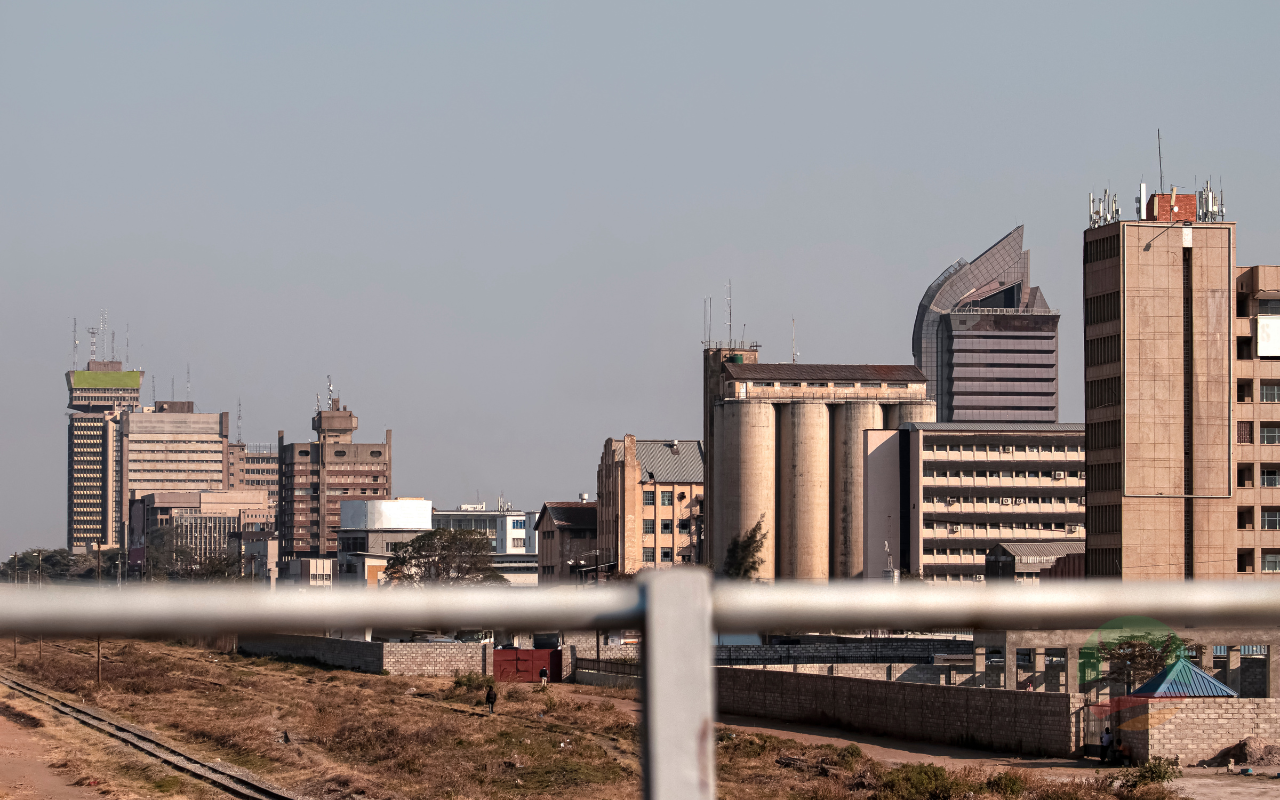
Photo: Frederic Köberl / UnsplashUnsplashUnsplash License
LUSAKA, 4 JUNE 2026—Updated 8 Jul 2026
LUSAKA — Free education is now law in Zambia after President Hakainde Hichilema signed five bills that also raise the minimum pension from K1,861 to K2,327 a month.
The signing ceremony at State House on Wednesday — timed to coincide with Hichilema's 64th birthday — converts two flagship first-term policies from administrative directives into enforceable statute, shielding them from reversal by future governments. More than 17,000 pensioners will receive the increase immediately, and roughly 30,000 retirees become eligible for an advance lump-sum payment of up to K17,500.
The five bills
Hichilema signed the Education (Amendment) Bill, 2026, the National Pension Scheme Bill, the Public Service Pensions Bill, the Pension Scheme Regulation (Amendment) Bill, and the Local Authorities Superannuation Bill. Together, the four pension bills restructure retirement savings for private-sector workers under the National Pension Scheme Authority (NAPSA), civil servants, and local-government employees.
The Education (Amendment) Bill enshrines a child's right to free education at every public institution from early childhood through secondary school. Zambia introduced the policy administratively in January 2022; since then more than 2.6 million children have returned to or enrolled in school, according to State House chief communications specialist Clayson Hamasaka. The new law makes that access a statutory right rather than a discretionary programme.
President Hichilema regards education as the best investment and the greatest equaliser. Assent to the Education Amendment Bill will ensure future generations continue to benefit from free education, just as children are doing today.
— Clayson Hamasaka, <a href="https://www.sh.gov.zm">State House</a> chief communications specialist
Pension overhaul
The pension package pegs the minimum monthly pension at 25% of national average earnings, lifting the floor from K1,861 to K2,327. Approximately 1.2 million NAPSA members will benefit from improved growth in their pension savings, and the legislation introduces a 20% pre-retirement benefit access provision for qualifying members. As Kwacha News reported when covering Hichilema's pledge to hire 40,000 more health workers in a second term, the pension bill for public servants — teachers, police officers, health workers — creates a dedicated second-tier scheme separate from NAPSA.
Hamasaka said the reforms would deliver "immediate and tangible benefits to workers and retirees" and described the package as "a significant milestone in Zambia's social and economic development." The advance lump-sum provision addresses a longstanding grievance among retirees who complained that NAPSA's payout schedules left them waiting years for the bulk of their entitlements.
By the numbers: • K1,861 → K2,327 — new minimum monthly pension • 17,000 pensioners receive the increase immediately • 30,000 retirees eligible for advance lump sum (up to K17,500) • 1.2 million NAPSA members benefit from improved savings growth • 2.6 million children returned to school since free education began in 2022
Election context
The signing lands 10 weeks before the 13 August general election. The UPND government is presenting the legislation as proof of delivery on its 2021 campaign promises. Opposition parties have yet to articulate detailed counter-proposals on education or pension reform; Hamasaka told reporters on Tuesday that "the opposition have no clear alternative policies." As Kwacha News covered last week, the New Congress Party endorsed Hichilema as smaller parties realign ahead of the vote, a pattern that suggests the legislative record is shaping coalition dynamics.
Background
Zambia's free-education experiment began with the removal of school fees at government institutions in January 2022. The policy drew praise from UNICEF and the World Bank but faced criticism over whether the Treasury could sustain the fiscal burden without degrading school quality. Data from the Ministry of Education showed enrolment surges strained classrooms in peri-urban and rural districts, with pupil-to-teacher ratios exceeding 80:1 in some schools. The new law does not directly address teacher supply, though the government's parallel pledge to recruit additional public-sector workers — including teachers — is intended to close that gap.
On pensions, the National Pension Scheme Authority had operated under legislation last substantively amended in 2000. Workers' groups and the Zambia Congress of Trade Unions had lobbied for decades for higher minimum payouts and faster access to retirement savings. The four-bill package consolidates those demands into statute for the first time.
What to watch
NAPSA must now publish the implementing regulations that will govern the 20% pre-retirement access and the advance lump-sum scheme. The timeline for disbursement to the 30,000 eligible retirees has not been specified. The Ministry of Education must gazette the new Education Act amendments before the next academic term. The opposition's response — whether to challenge the timing as electioneering or to present alternative social-protection proposals — will shape the policy debate over the remaining 10 weeks of the campaign. Follow Kwacha News's politics coverage for updates.
Sources
Parliament of Zambia: Education (Amendment) Bill, 2026. Parliament of Zambia: Public Service Pensions Bill, 2026. Parliament of Zambia: Local Authorities Superannuation Bill, 2026. State House: official statement via Clayson Hamasaka, 3 June 2026. National Pension Scheme Authority: NAPSA reform framework.
Frequently Asked Questions
These are the questions readers have been asking since State House announced the five-bill signing. Short answers follow, drawn from the Parliament of Zambia bill texts and State House data.
What is the Education Amendment Bill?
In short, the Education (Amendment) Bill converts Zambia's free-education policy into an enforceable legal right for every child enrolled in a public institution from nursery through secondary school. Simply put, the law means no government can reverse free schooling without repealing an Act of Parliament. The key is that 2.6 million children who returned to school since 2022 now have statutory protection.
How does the pension reform work?
The four pension bills raise the minimum monthly pension from K1,861 to K2,327, peg the floor at 25% of national average earnings, and introduce 20% pre-retirement access. Research from NAPSA shows approximately 1.2 million members will benefit. Data from the State House statement reveals 17,000 pensioners receive the increase immediately and 30,000 retirees become eligible for a lump sum of up to K17,500.
Why is the timing significant?
The signing falls 10 weeks before the 13 August 2026 general election. According to political analysts, incumbents typically accelerate legislative delivery in the final months of a term. The answer is that signing on Hichilema's birthday adds a symbolic dimension, though the bills had already passed through the National Assembly on their legislative merits.
Who benefits from the pension changes?
The pension reform affects three groups: NAPSA members in the private sector, civil servants under the new Public Service Pensions Bill, and local-government employees under the Local Authorities Superannuation Bill. In other words, the change reaches every formal-sector worker in Zambia while the informal economy — the majority of the labour force — remains outside the pension net.
What are the real risks of these reforms?
Analysis of pension reform in comparable economies demonstrates two durable risks: fiscal pressure on NAPSA's reserves if contribution income does not keep pace with higher payouts, and implementation delay if the National Pension Scheme Authority does not publish regulations quickly. Evidence from the education sector reveals a third risk — classroom overcrowding — that the law alone cannot solve without matching investment in teachers and infrastructure.
More on Politics

Hichilema wins Zambia's 2026 election for a second term
Zambia's Electoral Commission has declared Hakainde Hichilema president-elect for a second term with about 61 per cent of the vote, over Brian Mundubile's 38 per cent, as the opposition rejects the count.

Press freedom groups urge Zambia to keep the internet on
The Committee to Protect Journalists and the #KeepItOn Coalition urged Zambian authorities and telecoms operators to keep internet access open through the 13 August election, as Amnesty International called for a detained journalist's release.
The Kwacha News briefing.
Business, markets and the Zambian economy — in your inbox.

