

BoZ Governor Kalyalya: 'difficult to determine' whether kwacha will keep appreciating
The Bank of Zambia governor says the central bank does not target an exchange-rate level, points to non-traditional exports as the durable defence, and confirms an Import Tracking Framework will roll out this year.
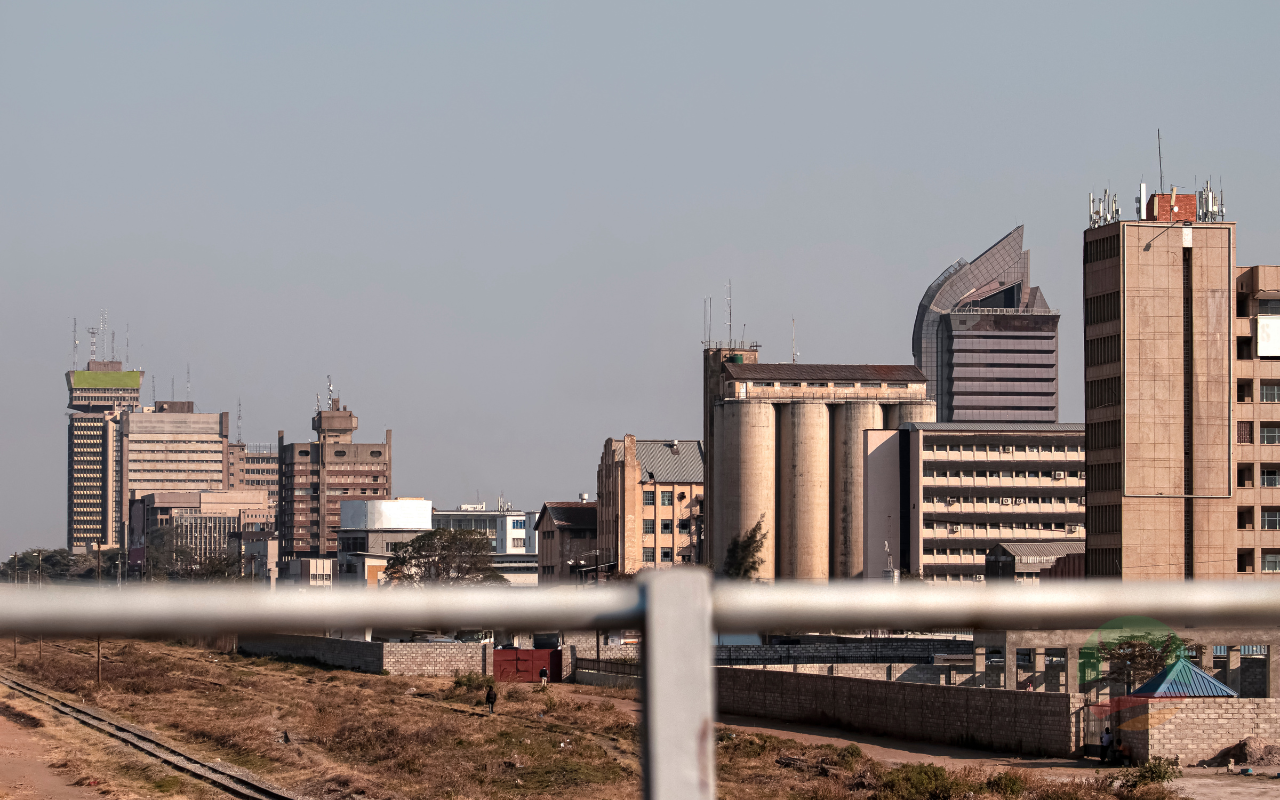
Photo: ZANISzanisGovernment of Zambia — editorial use
LUSAKA, 17 MAY 2026—Updated 8 Jul 2026
LUSAKA — Bank of Zambia Governor Denny Kalyalya says it is "very difficult" to determine whether the kwacha will continue to appreciate, because the central bank does not forecast the exchange rate and pursues inflation rather than any specific rate level.
Kalyalya, speaking at the central bank's Monetary Policy Rate briefing on Wednesday, said the durable defence of the currency was growth in non-traditional exports — singling out avocados, chilli and beef — and that the government would roll out an Import Tracking Framework this year to mirror the existing export-side system.
The question of whether or not the kwacha will continue to appreciate is very difficult to answer because we don't forecast the exchange rate. We went to a great extent to share with you the underlying factors to the movement of the exchange rate that you see. So, I think the question should be will those underlying factors continue to be what they're or will they even improve?
— Dr Denny Kalyalya, Governor of the Bank of Zambia, at the Monetary Policy Rate briefing
The governor took aim at the framing that the central bank should pin the kwacha to a specific number, calling the exchange rate "a double-edged sword".
Our target has not been to target the exchange rate that it must now be K14 or K15 because an exchange rate is a double edged sword because you as a consumer may be happy that you're getting a dollar at K15 but remember there's an exporter out there who earned that dollar who has also obligations. So, if that reduces, do you think they may want to produce more? They may not be able to compete.
— Dr Denny Kalyalya, BoZ Governor
On the broader policy direction, Kalyalya pointed to inflation control within the BoZ's target band, on-track budget execution and rising export earnings as the three indicators the central bank monitors closely. Non-traditional exports — avocados, beef, chilli — were the specific examples he flagged for diversification.
Import Tracking Framework arriving this year
Kalyalya confirmed the BoZ will roll out an Import Tracking Framework in 2026, complementing the existing Export Tracking Framework. Both tie into the country's smart-invoice infrastructure.
We have also improved the Export Tracking Framework, and it has brought forward information of who is exporting and what is being exported because you may have all these people that say they're exporting, but are they in the database? This is where also smart invoice comes in. So all these things are mechanisms to try and rake in as much as we are due.
— Dr Denny Kalyalya, BoZ Governor
On the mining sector specifically, Kalyalya questioned how many of the operators that present themselves as exporters actually pay their dues — a flag that the new tracking infrastructure is designed to settle with data rather than self-attestation.
Background
The IMF's most recent staff statement, released this week, put April 2026 inflation at 6.8% — back inside the BoZ's 6-8% target band — supported by kwacha appreciation and moderating food prices. Year-end inflation is projected at 8.5% as higher fuel prices partly offset the disinflationary effect of currency strength. Research from the BoZ shows non-traditional exports remain a small share of total foreign-exchange inflows compared with copper.
What to watch
Two near-term tests. First, the next MPR decision and whether the BoZ holds its cautious posture on calibration in light of Middle East fuel-price risk. Second, the operational launch date of the Import Tracking Framework — confirmation should come from the Ministry of Finance and the Zambia Revenue Authority, which jointly own the smart-invoice rails.
Frequently Asked Questions
These are the questions readers have been asking since the BoZ briefing. Short answers follow, drawn from the governor's public remarks and from the BoZ's monetary policy framework.
Does the Bank of Zambia target the exchange rate?
In short, no. The key is that the BoZ's mandate is inflation within a 6-8% target band; the exchange rate moves with underlying supply, demand and sentiment.
What did Kalyalya say about the kwacha's outlook?
Simply put, he said it was 'very difficult to answer' because the BoZ does not forecast the exchange rate. According to him, the right question is whether the underlying factors driving the recent appreciation will hold or improve.
What are non-traditional exports and why do they matter?
The answer is everything other than copper — Kalyalya named avocados, chilli and beef. Research from the BoZ shows diversified foreign-exchange inflows reduce the country's exposure to a single commodity and would, in his framing, deliver durable currency stability.
What is the Import Tracking Framework?
According to Kalyalya, a new system to be rolled out this year to capture data on what comes into the country and from whom. It mirrors the existing Export Tracking Framework. Both are tied to the smart-invoice infrastructure.
Why does this matter for businesses and households?
In other words, exchange-rate volatility is one of the largest single risks to Zambian businesses that import or repay foreign-currency debt, and to households buying imported goods. Evidence from the governor's remarks reveals the policy backdrop for the rest of 2026 will be the BoZ managing the inflation target and underlying conditions, not the rate level.
Sources
Bank of Zambia: Monetary Policy Rate briefing remarks by Governor Dr Denny Kalyalya. IMF Media Office: staff statement on the successor Extended Credit Facility, 15 May 2026.
More on Markets

Zambia's inflation holds at 6.5% for a second month
Annual inflation stayed at 6.5% in July 2026, ZamStats said. Food inflation eased to 6.4% while non-food rose to 6.7%, holding the headline rate inside the central bank's target band.

Bank of Zambia cuts kwacha reserve ratio to 21%
The Bank of Zambia cut the statutory reserve ratio on kwacha deposits to 21% from 26%, freeing about K5 in every K100 of deposits for lending. The ratio on foreign-currency deposits stays at 36%.
The Kwacha News briefing.
Business, markets and the Zambian economy — in your inbox.

