

Africa sends a record nine teams to the 2026 World Cup
The expanded 48-team World Cup gives Africa a record nine places, with Cape Verde among the debutants. Zambia is not there — and the gap frames the long road the Chipolopolo still face to a first men's finals.
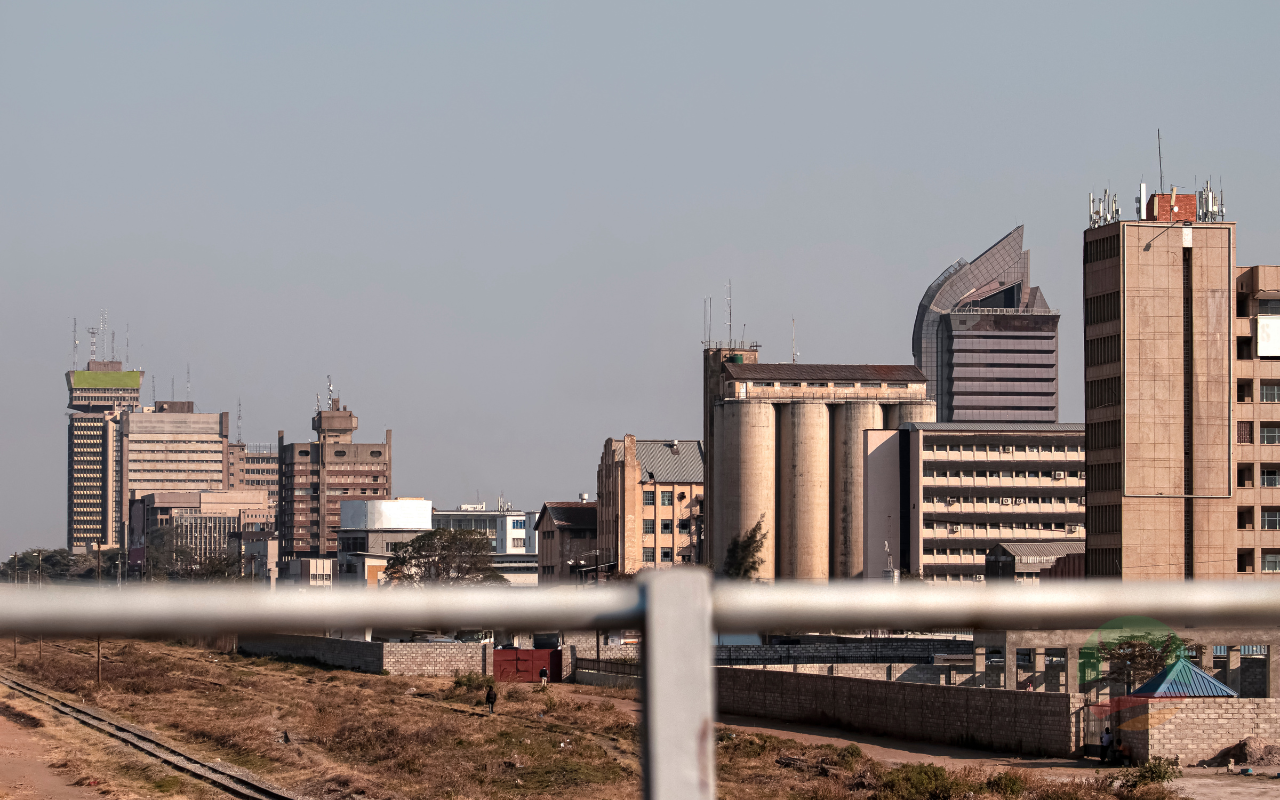
Photo: Juan Carlos Fonseca MatawikidataCC BY-SA 4.0
LUSAKA, 22 MAY 2026—Updated 8 Jul 2026
Analysis
Africa goes to the 2026 World Cup with a record nine teams, nearly double its presence at Qatar — but Zambia is not among them, a gap that frames the long road the Chipolopolo still face.
The tournament that kicks off on 11 June 2026, co-hosted by the United States, Canada and Mexico, is the first with 48 teams. The expansion sends nine African sides to the finals as automatic qualifiers, up from five at Qatar 2022, with a tenth still possible through an inter-confederation play-off. For Zambia, the upshot is bittersweet: the continent's footprint has never been bigger, and the Chipolopolo are watching from outside.
Who is going
The nine group winners booked their places directly. Morocco, Egypt, Senegal, Algeria, Tunisia, South Africa, Ivory Coast and Cape Verde are among the qualifiers, each topping a six-team group. The data shows the field mixes continental heavyweights with a genuine first: Cape Verde, an island nation of about half a million people, reaching a maiden World Cup.
There is more to come. Four of the best group runners-up — among them Nigeria, the DR Congo, Cameroon and Gabon — entered a play-off to decide which African side takes the continent's inter-confederation play-off route. Research into the new format shows the expanded World Cup roughly doubled Africa's guaranteed places, the biggest structural shift in the continent's tournament history.
The expanded 48-team format gives Africa nine automatic places and an inter-confederation play-off slot — nearly double the continent's representation at the previous World Cup.
— Summary consistent with FIFA and CAF qualification rules for the 2026 World Cup
Why Zambia is not there
Zambia's campaign fell short in the group stage. The Chipolopolo finished fourth in their group, on nine points from eight matches, behind group winners Morocco, and did not reach the play-off round. The analysis is plain: in a group with a side of Morocco's quality, fourth place was not enough even in an expanded qualification.
It continues a long wait. Zambia won the Africa Cup of Nations in 2012, one of the great stories in African football, but has never qualified for a men's World Cup. The evidence shows the gap is not about talent in isolation but about consistency across a two-year qualifying grind, where one weak run is fatal.
World Cup 2026 and Africa — the essentials
Tournament: first 48-team World Cup, co-hosted by the United States, Canada and Mexico · Kick-off: 11 June 2026 · Africa's places: nine automatic, up from five, plus one inter-confederation play-off slot · Qualifiers include: Morocco, Egypt, Senegal, Algeria, Tunisia, South Africa, Ivory Coast and Cape Verde · Cape Verde: a maiden World Cup · Zambia: did not qualify, finishing fourth in its group behind Morocco
What the expansion is worth
Reaching a World Cup is an economic event, not only a sporting one. FIFA prize money, sponsorship, broadcast exposure and the rise in players' transfer value all flow to qualifying nations and their federations. The data shows a single qualification can reshape a federation's finances and lift a generation of players into bigger leagues.
The read here is that Africa's bigger footprint is also soft power. Nine teams on the game's largest stage mean more visibility for the continent's leagues, sponsors and players. For a country like Zambia, the lesson Kwacha News drew from Panama's small-economy run holds: World Cup access is a development asset worth building the system to reach.
The structural shift helps the next attempt. With nine guaranteed places and a play-off route, the path for a mid-tier African side is wider than it has ever been. Analysis of the new format shows that consistency, youth development and a settled coaching setup now matter more than ever, because the door to qualification is open wider for those organised enough to walk through it.
Frequently Asked Questions
These are the questions Zambian football fans have been asking about the 2026 World Cup. Short answers follow, drawn from FIFA and CAF qualification rules and results.
What is new about the 2026 World Cup?
In short, it is the first 48-team World Cup. The answer is that the United States, Canada and Mexico co-host, and the bigger field gives Africa nine automatic places. The key is that it kicks off on 11 June 2026.
How does CAF qualification work now?
Simply put, nine group winners qualify directly. According to the format, the best runners-up then contest a play-off for an inter-confederation slot. The key is that Africa's guaranteed places nearly doubled from five.
Why is Zambia not at the World Cup?
The answer is the group stage. Evidence shows the Chipolopolo finished fourth in their group on nine points, behind Morocco, and missed the play-off round. The key is that consistency over the campaign, not one result, decided it.
Who is representing Africa in 2026?
In other words, nine teams. Research shows they include Morocco, Egypt, Senegal, Algeria, Tunisia, South Africa, Ivory Coast and Cape Verde. The data shows Cape Verde's qualification is a first for the island nation.
What are Zambia's prospects for 2030?
Analysis shows the wider field improves Zambia's long-term odds if the system improves with it. Evidence from football development demonstrates youth structures and stable coaching drive qualification more than one-off results. Each factor is about building consistency, the thing the Chipolopolo have lacked.
What to watch
Two signals. The first is how Africa's nine perform from 11 June, since deep runs raise the continent's case for keeping the expanded allocation. The second is Zambia's rebuild toward the 2030 cycle and AfCON 2027, where a more settled Chipolopolo would signal whether the long road is finally shortening.
Sources
FIFA: 2026 World Cup. Qualification record: CAF qualification for the 2026 World Cup.
Kwacha News earlier coverage: small-economy lessons from Panama's World Cup run and Zambia's AfCON 2027 qualifying path.
More on Sports/Entertainment

Samukonga wins Budapest 400m in season's best 44.02
Zambia's Muzala Samukonga ran a season's best 44.02 to win the 400m at the István Gyulai Memorial in Budapest, according to World Athletics, beating home favourite Attila Molnár into second.

Morocco reach World Cup last eight unbeaten in 34 matches
Morocco go into their World Cup quarter-final against France unbeaten in 34 matches, extending the continent's strongest showing at the tournament since the Atlas Lions reached the 2022 semi-final.

Copper Princesses host Ethiopia in World Cup qualifier
Zambia's Under-17 Women's National Team hosts Ethiopia at Levy Mwanawasa Stadium in Ndola on Saturday in the first leg of the final round of 2026 FIFA U-17 Women's World Cup qualifiers, with kick-off at 15h00.
The Kwacha News briefing.
Business, markets and the Zambian economy — in your inbox.