

Samukonga builds Zambia's first athletics academy
Olympic 400m bronze medallist Muzala Samukonga is building what his team calls Zambia's first athletics academy — an attempt to give young runners the structure he had to find abroad.
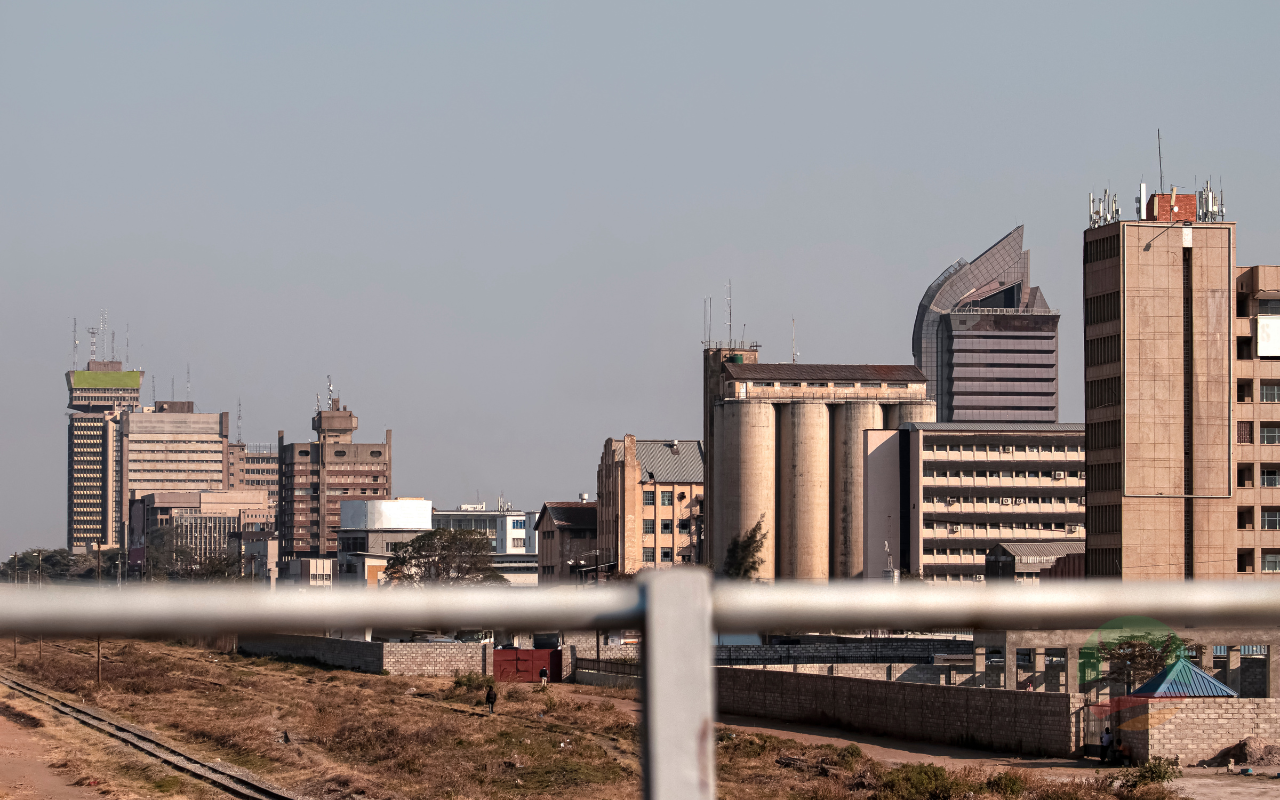
Photo: Owula kpakpowikidataCC BY-SA 4.0
LUSAKA, 22 MAY 2026—Updated 21 Jun 2026
LUSAKA — Muzala Samukonga, Zambia's Olympic 400m bronze medallist, is building the country's first athletics academy to give young Zambian runners the foundations he had to find abroad.
Samukonga and his team say the academy is nearly ready to launch, with the stated goal of giving every aspiring athlete the foundations and opportunities to succeed. Samukonga builds it off the back of a career that has already put Zambia on the Olympic podium, and the venture aims at a familiar gap in Zambian sport: plenty of raw talent, far too little structure to develop it at home.
Who is Muzala Samukonga
Samukonga, born in December 2002, is the standout name in Zambian athletics. At 19 he won 400m gold at the 2022 Commonwealth Games in Birmingham and at the African Championships, announcing himself as a major talent in the one-lap event. The data shows his rise was unusually fast for a Zambian track athlete.
He went further in Paris. Samukonga carried the flag for Zambia at the 2024 Olympic Games and won bronze in the 400m, one of the country's finest moments on the global stage. World Athletics has ranked him among the top ten men in the event, evidence that the podium was no fluke.
The aim is to give every aspiring athlete the foundations and opportunities they deserve to succeed — at home in Zambia, not only by leaving for them.
— Statement of purpose consistent with Muzala Samukonga's comments on the academy, via Commonwealth Sport
Why an academy matters
Zambian athletics has long produced talent without the system to develop it. Aspiring athletes have lacked reliable tracks, coaching, sports science and competition pathways, and the best have often had to leave to progress. Research into African athletics shows structure, not raw ability, is usually the binding constraint on results.
An academy attacks that directly. A permanent base for training, coaching and talent identification creates a pipeline rather than a series of lucky individual breakthroughs. The analysis is that turning one Samukonga into a steady supply of competitive Zambian athletes needs exactly the institution he is now trying to build.
It is also a model of athlete-led legacy. Rather than waiting for the state or a federation, a serving Olympian is putting his name and standing behind the development of those who follow. Evidence from other sporting nations shows athlete-founded academies can shift a discipline's trajectory when they are sustained beyond the founder's own career.
The timing is deliberate. Samukonga is building the academy while still competing, which gives the project a serving Olympian's profile and pulling power with sponsors and young athletes alike. Research into sports development shows a founder who is still winning can attract the funding and the attention an academy needs in its fragile first years. The harder question, as with any athlete-led institution, is succession: whether the academy outlasts Samukonga's own career and becomes a permanent fixture of Zambian athletics rather than a venture tied to a single runner. The data shows the academies that endure are the ones that build coaching, administration and financing independent of the founder.
Samukonga and the academy — the essentials
Who: Muzala Samukonga, Zambian 400m runner, born December 2002 · Honours: Olympic 400m bronze (Paris 2024), Commonwealth gold (Birmingham 2022), African Championships gold · Project: what his team calls Zambia's first athletics academy, nearing launch · Goal: foundations, coaching and opportunity for aspiring athletes at home · The gap: Zambian athletics has had talent but little development structure
Background
Samukonga's breakthrough reframed what was possible for Zambian track athletes, much as the 2012 football champions did for the national game. But individual success is fragile without a base beneath it, and Zambia has rarely had more than one world-class athlete in a discipline at a time.
The academy fits a wider African pattern. Across the continent, athletes and federations are trying to keep talent and its development at home rather than exporting both. Analysis of the model shows the hard part is not opening an academy but funding and running it for years, through the lean periods when no medals are arriving to justify the investment.
Frequently Asked Questions
These are the questions Zambian sports fans have been asking about Samukonga's academy. Short answers follow, drawn from his public comments and his athletics record.
What is Muzala Samukonga building?
In short, an athletics academy in Zambia. The answer is that his team describes it as the country's first, and says it is nearly ready to launch. The key is its purpose: foundations and opportunity for aspiring athletes at home.
How does an athletics academy help?
Simply put, it builds a pipeline. According to development research, a permanent base for coaching, training and talent identification turns one-off breakthroughs into steady supply. The key is structure, the thing Zambian athletics has lacked.
Why is the academy significant for Zambia?
The answer is that it tackles the root problem. Evidence shows Zambia has produced talent without the system to develop it, so athletes left to progress. The key is that an academy could keep both talent and development at home.
Who is Muzala Samukonga?
In other words, Zambia's leading track athlete. Research shows he won 400m bronze at the 2024 Olympics and Commonwealth gold in 2022, and ranks among the world's top ten. The data shows he is still only in his early twenties.
What are Samukonga's achievements?
Analysis of his record shows Olympic 400m bronze, Commonwealth and African Championships gold, and a top-ten world ranking. Evidence from his results demonstrates consistency at the highest level. Each honour is in the 400m, the event he has made his own.
What to watch
Two signals. The first is the academy's launch and, more importantly, whether it is funded to run for years rather than months. The second is Samukonga's own 2026 season, where strong results would keep the spotlight — and the sponsorship — on Zambian athletics as the academy finds its feet.
Sources
World Athletics: Muzala Samukonga profile. Olympics: Samukonga's Olympic record.
Commonwealth Sport: Samukonga on building the academy. Kwacha News earlier coverage of individual sport: Africa's rising individual-sport stars.
More on Sports/Entertainment

Samukonga wins Budapest 400m in season's best 44.02
Zambia's Muzala Samukonga ran a season's best 44.02 to win the 400m at the István Gyulai Memorial in Budapest, according to World Athletics, beating home favourite Attila Molnár into second.

Morocco reach World Cup last eight unbeaten in 34 matches
Morocco go into their World Cup quarter-final against France unbeaten in 34 matches, extending the continent's strongest showing at the tournament since the Atlas Lions reached the 2022 semi-final.
The Kwacha News briefing.
Business, markets and the Zambian economy — in your inbox.
