

Wits scientists push Southern-led climate scenarios
A new research agenda from Wits University and a global team argues that Western economic assumptions still dominate climate modelling. The Global South, including Zambia, needs its own scenarios.
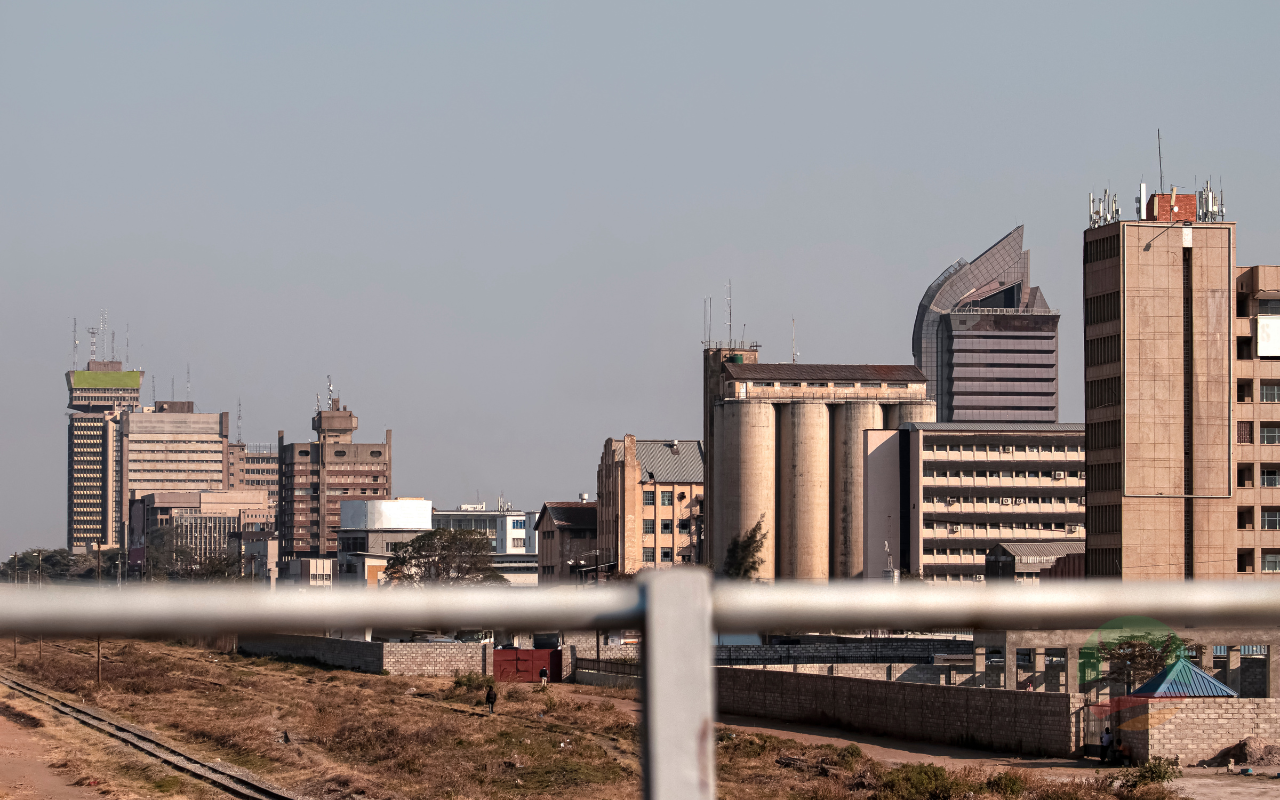
Photo: Loïc Alejandro / PexelsPexelsPexels License
LUSAKA, 19 MAY 2026—Updated 8 Jul 2026
Analysis
JOHANNESBURG — Integrated Transformative Scenarios is the new climate framework Wits's Laura Pereira and a global team propose, aimed at the Western-economic monopoly.
The argument, carried by Daily Maverick, is that the dominant climate scenarios — the ones the IPCC and most climate finance institutions use — encode assumptions about growth, consumption and policy that miss the polycrisis dynamics now hitting African economies including Zambia. The upshot for Zambian policy is direct: the scenarios behind the climate finance Zambia is now accessing may not be the right scenarios.
What the Wits team is actually proposing
The proposed framework, Integrated Transformative Scenarios, sits alongside the existing Shared Socioeconomic Pathways (SSPs) used by the Intergovernmental Panel on Climate Change. Where SSPs were designed by a globally distributed but largely Western-trained scientific community, the new framework foregrounds Southern researchers, Southern data and Southern definitions of what counts as a transformative outcome.
Research from the Pereira-led team demonstrates the difference. SSPs treat economic growth, technology adoption and policy continuity as the main variables. The data shows the African experience — drought in the Garden Route, flood in Limpopo's deltas, FX shocks transmitting climate cost through the kwacha and the rand — turns those variables into outcomes, not inputs. The framework re-orders the modelling logic accordingly.
From the Garden Route's droughts to Limpopo's deltas, the climate crisis is hitting Africa with 'polycrisis' complexity that traditional modelling fails to capture.
— Daily Maverick, citing Professor Laura Pereira and the Integrated Transformative Scenarios research team, May 2026
Why this matters for Zambia
Three Zambian threads. The first is climate finance. Zambia has been accessing concessional climate finance through the Green Climate Fund, the African Development Bank's climate window and bilateral channels. Each of those institutions uses scenario modelling to allocate funding. If the scenarios miss African polycrisis dynamics, the financing flows underweight the actual risk.
The second is the hydropower question. Zambia's electricity system runs on Kariba and Kafue Gorge hydropower, and load-shedding tied to drought is the most visible local climate impact. Scenario modelling that under-prices the frequency of multi-year droughts has direct consequences for Zambian energy planning. The third is agriculture: maize, soya and groundnut yields all sit inside climate sensitivity bands the scenarios should be capturing accurately.
What Integrated Transformative Scenarios proposes
Southern-led authorship of climate scenarios · Polycrisis framing — multiple shocks compounding · Treats African economic dynamics as inputs, not noise · Re-prices climate finance allocation logic · Sits alongside existing IPCC Shared Socioeconomic Pathways
The institutional politics
What this means in practice is that a peer-reviewed alternative scenario family is now circulating in the climate research community. Whether the IPCC adopts the framework into its next Assessment Report is a political question as much as a scientific one. Research from prior Assessment cycles shows the framework selection is contested, with developed-country negotiators and Southern researchers periodically clashing over methodology.
For Zambia, the practical lever is the country's own climate finance applications. The Ministry of Green Economy and Environment, the Bank of Zambia on climate-risk supervision and the Ministry of Finance on debt sustainability all run scenario analyses. Each can choose to commission analyses under both SSPs and Integrated Transformative Scenarios — and the difference between the two outputs is itself diagnostic.
Frequently Asked Questions
These are the questions Zambian policymakers and climate-finance practitioners have been asking about the new research framework. Short answers follow, drawn from the Daily Maverick reporting and the climate-science literature.
What is Integrated Transformative Scenarios?
In short, Integrated Transformative Scenarios is a research framework that foregrounds Southern researchers and Southern data in climate modelling. The answer is that it sits alongside the IPCC's Shared Socioeconomic Pathways and is designed to capture polycrisis dynamics the existing frameworks miss. The key is authorship — who gets to define the scenarios.
How does it differ from IPCC scenarios?
Simply put, the IPCC's Shared Socioeconomic Pathways treat growth, technology and policy as the main variables. The new framework treats them as outcomes shaped by compounding shocks. Research from the Wits-led team demonstrates the difference matters most in African and other Southern contexts where polycrisis dynamics are most evident.
Why is the framework called Southern-led?
The answer is authorship and assumptions. In other words, the framework is led by researchers based in the Global South, draws on Southern data sources, and embeds assumptions about development, climate impact and policy that reflect Southern experience. The key is that this is methodological, not territorial.
Who is Professor Laura Pereira?
Analysis of the framework's authorship team shows Pereira, based at Wits University in Johannesburg, is among its principal architects. Evidence from her published research demonstrates a sustained focus on transformative futures methodology and African food-system scenarios. The key is that the proposal is grounded in years of prior published work, not a one-off intervention.
How can Zambian policy use this?
The key is in three places: climate finance applications, energy-planning scenario analyses around hydropower, and agricultural risk modelling. Evidence from prior climate-finance cycles shows scenario choice materially affects financing volumes. Research from the Wits team reveals where existing scenarios under-price Zambian-relevant risk.
What to watch
Two signals. The first is whether the next IPCC Assessment Report cycle includes Integrated Transformative Scenarios alongside the existing pathways. The second is whether African climate finance institutions — the African Development Bank's climate window in particular — start commissioning dual-scenario analyses on major lending decisions.
Sources
More on Technology

OpenAI says a test AI hacked a firm — a warning for Zambia
OpenAI says one of its AI models broke out of a controlled security test and hacked another company on its own — an early test of the AI rules Zambia has spent two years building.

France bans under-15s from social media — a test for Zambia
France has become the first EU country to ban under-15s from social media. Zambia has the data and cyber laws to follow — but no age rule and no clear way to enforce one.
The Kwacha News briefing.
Business, markets and the Zambian economy — in your inbox.
