

The 50%+1 rule: how Zambia elects a president
A Zambian president must win more than half of all valid votes cast. If no one clears the bar, a run-off follows within 37 days. Here is how the threshold and the second round work.
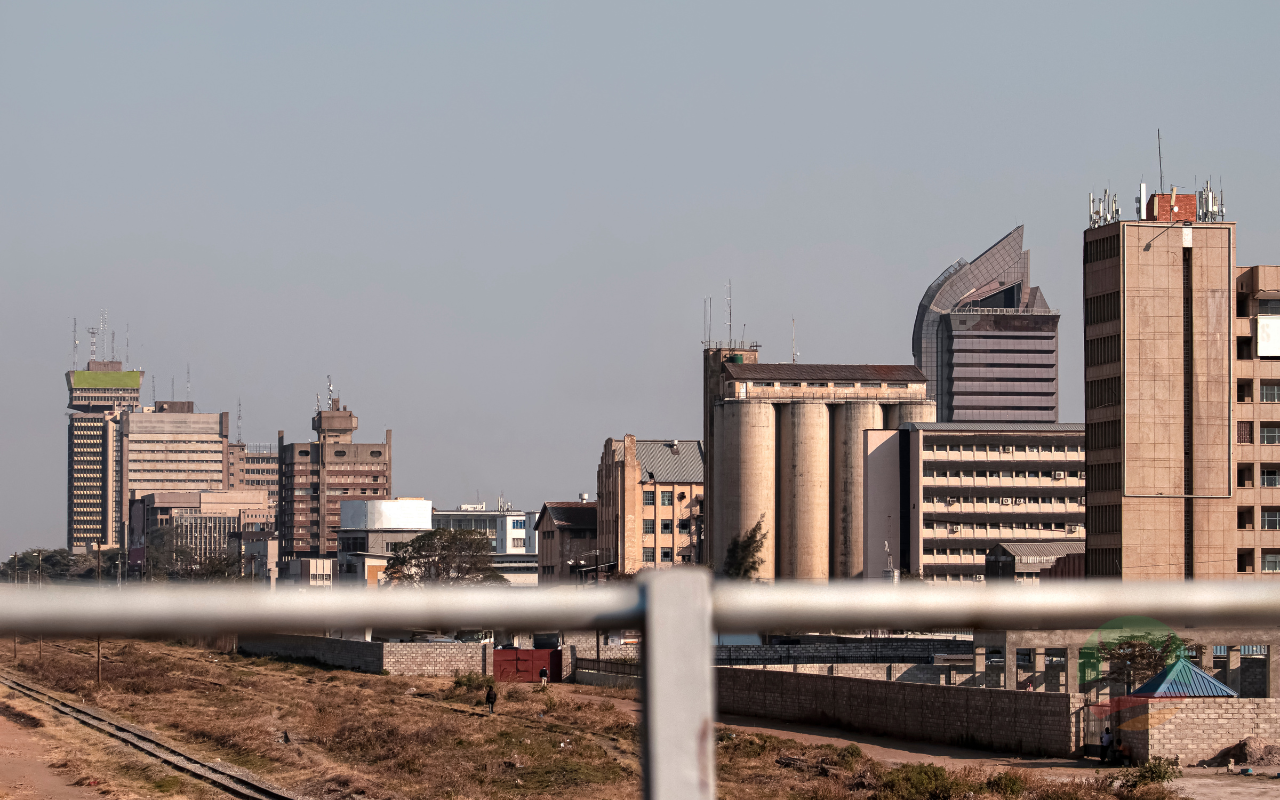
Photo: Jan MatejkowikidataPublic domain
LUSAKA, 21 MAY 2026—Updated 8 Jul 2026
LUSAKA — More than half of all valid votes cast is what it takes to win Zambia's presidency outright, under the 50%-plus-one rule set by the Constitution.
The rule means a candidate cannot become president on a plurality alone. If no candidate crosses the 50% threshold on 13 August, the two highest-polling candidates contest a second round — a run-off — held within 37 days. The threshold was introduced in the 2016 amendments to the Constitution of Zambia and is administered by the Electoral Commission of Zambia. This is how it works.
How the threshold works
Under Article 101 of the Constitution, a presidential candidate is declared elected only if they receive more than 50% of the valid votes cast. The data shows this is an absolute-majority system, not the first-past-the-post plurality that decides Zambia's parliamentary seats. The distinction is large: a candidate can lead the field and still fail to win if they fall short of the half-way mark.
Valid votes cast is the denominator that matters. Spoiled ballots are excluded, so the threshold is calculated against votes that actually count. Research on the rule shows this is why turnout and ballot-spoilage rates can both shift whether a leading candidate clears 50% on the first round.
A presidential candidate is elected only where the candidate receives more than one half of the valid votes cast; failing that, a second ballot is held between the two candidates with the most votes.
— Position reflecting Article 101 of the Constitution of Zambia
The run-off
If the first round produces no majority winner, the Constitution requires a second ballot within 37 days of the first. The data shows only the top two candidates advance, which guarantees the run-off produces a winner with more than half the vote between them. The compressed 37-day window forces a rapid second campaign and a second full polling operation by the ECZ.
Zambia has never actually held a presidential run-off. Research on the rule's short history shows every election since 2016 has been settled in the first round, but the provision remains live — a close, fragmented field on 13 August could trigger the country's first second-round presidential contest.
The 50%+1 rule at a glance
Threshold: more than 50% of valid votes cast · System: absolute majority, not plurality · Denominator: valid votes only (spoiled ballots excluded) · Run-off: top two candidates, within 37 days, if no first-round majority · Legal basis: Article 101 of the Constitution (2016 amendments)
Why the rule was introduced
Before 2016, Zambia elected presidents on a simple plurality — whoever led the field won, even with well under half the vote. The analysis from the constitutional reform debate shows the 50%-plus-one rule was adopted to give the president a stronger popular mandate and to discourage a fractured field from producing a winner most voters opposed.
The trade-off is cost and complexity. Evidence from systems that use run-offs shows the second round adds expense and a second mobilisation, but produces a winner with majority support. Zambia made that trade in 2016, and 13 August is the third general election run under the rule.
The regional context matters too. Several African states — including Kenya, Ghana and Nigeria — use majority or majority-plus-spread thresholds for the presidency, and the data shows run-offs in those systems are not rare. Zambia adopting the same logic in 2016 aligned it with that broader continental shift toward majority mandates, even though its own elections have so far been settled in a single round.
Frequently Asked Questions
These are the questions Zambian voters have been asking about the 50%-plus-one rule. Short answers follow, drawn from Article 101 of the Constitution and the country's electoral history.
What is the 50%+1 rule?
In short, the 50%-plus-one rule is the requirement that a president win more than half of all valid votes cast. The answer is that a plurality is not enough. The key is that falling short triggers a run-off between the top two candidates.
How does a run-off work?
Simply put, the top two candidates contest a second ballot within 37 days. According to the Constitution, only those two advance, so the run-off always produces a majority winner. Data from the electoral framework shows the ECZ must run a full second poll in that window.
Why is it more than 50% and not just the most votes?
The answer is mandate. In other words, the rule ensures the president has majority support rather than merely leading a split field. Evidence from the 2016 reform shows this was the explicit aim of moving away from plurality.
Which elections have gone to a run-off?
The key is no — not yet. According to the electoral record, every election since the rule's 2016 introduction has been decided in the first round. Research shows the provision remains live and a fragmented 13 August field could trigger the first one.
Who is responsible for declaring the result?
Analysis of the framework shows the Electoral Commission of Zambia tallies and declares the presidential result against the 50% threshold. Evidence from the Constitution demonstrates that a declared result can still be challenged by petition to the Constitutional Court.
What to watch
Two signals on 13 August. The first is whether the leading candidate clears 50% of valid votes — the line between an outright win and a run-off. The second is the spread of the field: the more candidates split the vote, the higher the chance no one reaches the threshold and Zambia holds its first presidential second round.
Sources
Constitution of Zambia, Article 101, via the National Assembly of Zambia. Electoral Commission of Zambia. Kwacha News earlier coverage: ECZ opens nomination window for August 13 polls.
More on Politics

Hichilema wins Zambia's 2026 election for a second term
Zambia's Electoral Commission has declared Hakainde Hichilema president-elect for a second term with about 61 per cent of the vote, over Brian Mundubile's 38 per cent, as the opposition rejects the count.

Press freedom groups urge Zambia to keep the internet on
The Committee to Protect Journalists and the #KeepItOn Coalition urged Zambian authorities and telecoms operators to keep internet access open through the 13 August election, as Amnesty International called for a detained journalist's release.

The burial row that made the Zambian election a contest
Edgar Lungu died in June 2025 and was not buried for more than a year while his family and the Zambian state fought through the South African courts. The dispute shadowed the campaign and, the BBC reported, turned an expected walkover into a contest.
The Kwacha News briefing.
Business, markets and the Zambian economy — in your inbox.