

France bans under-15s from social media — a test for Zambia
France is the first EU country to lock children out of social media. Zambia has the laws but not yet the rule to match it.
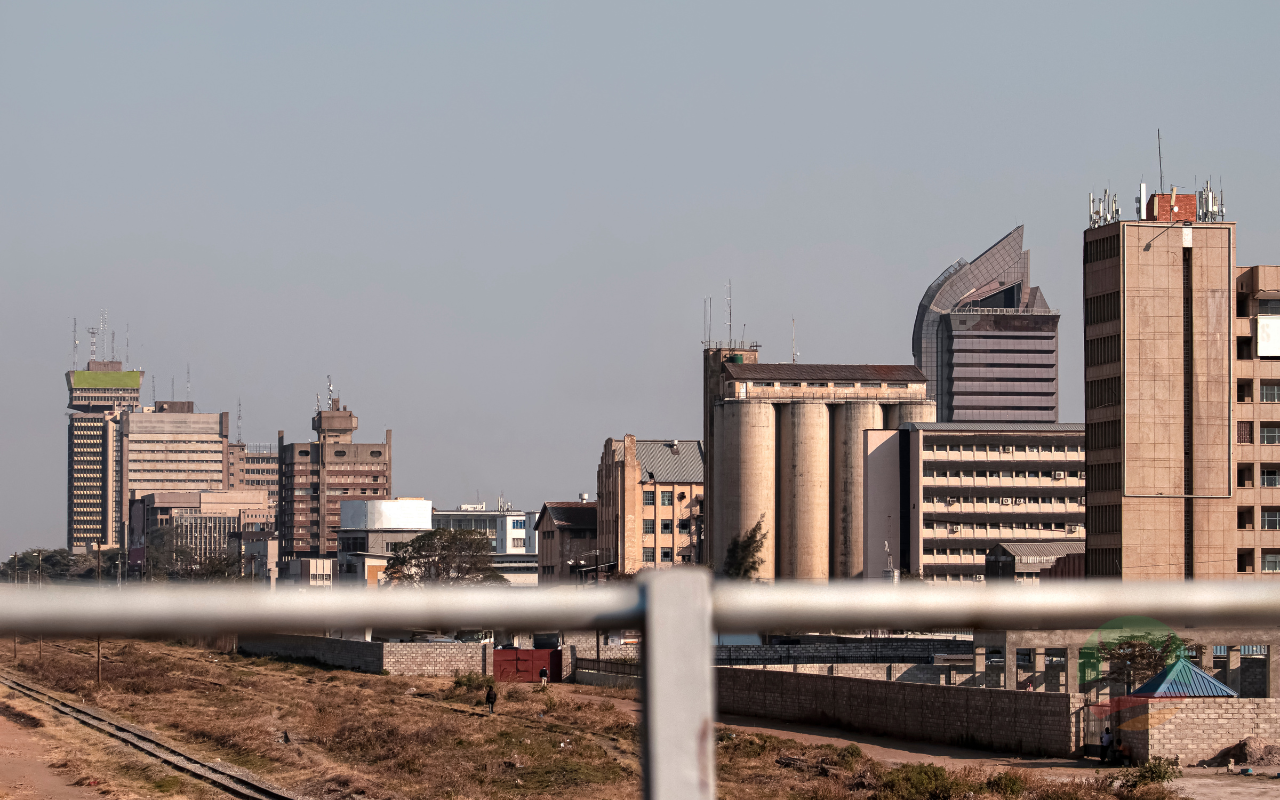
Photo: Amersfoort 001UnsplashUnsplash License
LUSAKA, 22 JULY 2026—Updated 22 Jul 2026
LUSAKA — France has become the first country in the European Union to ban children under 15 from using social media, a law that is likely to sharpen a debate Zambia has not yet settled.
The vote lands far from Lusaka, but the question it forces is close to home: whether Zambia’s own data and cyber laws give the regulator any real lever to keep young children off platforms such as TikTok, Snapchat and Instagram — or whether that decision stays with the companies.
What France passed
France’s National Assembly approved the bill on Tuesday, 21 July 2026, by 279 votes to 81, hours after the Senate had backed it, clearing both chambers of parliament. The law makes France the first EU member state to approve a blanket ban on under-15s using social media, according to Al Jazeera.
The ban rolls out in two stages. From 1 September 2026, children under 15 will be blocked from creating new accounts; from January 2027, the ban extends to existing accounts. The law puts the burden of enforcement on the platforms themselves, and it also bars pupils from using mobile phones in schools. Educational and scientific services stay accessible.
President Emmanuel Macron backed the measure, and Digital Minister Anne Le Hénanff said the timeline was realistic because age-verification tools already exist, with more in development. The law still faces one more hurdle: France’s Constitutional Council must rule on whether it passes constitutional muster before it takes effect. Opposition lawmakers who voted against it questioned both its constitutionality and how it would be enforced.
If someone is under 15, the account will be closed.
— Anne Le Hénanff, France’s Digital Minister, via <a href="https://www.aljazeera.com/news/2026/7/21/french-parliament-passes-social-media-ban-for-under-15s">Al Jazeera, 21 July 2026</a>
The law at a glance
France’s National Assembly passed the ban 279–81 on 21 July 2026, making it the first EU country to lock under-15s out of social media. New accounts are blocked from 1 September 2026 and existing ones from January 2027, with enforcement placed on the platforms. The Constitutional Council must still approve it.
What it means for Zambia
Zambia already has the legal scaffolding that usually gets cited in child-online-safety debates. The Data Protection Act, No. 3 of 2021, governs how personal information — including children’s — is collected and used, and the Cyber Security and Cyber Crimes Act, No. 2 of 2021, sits alongside it. Both fall within the orbit of the Ministry of Technology and Science and the regulator, ZICTA. Kwacha News has tracked Zambia’s wider digital-policy push, from the Innovators and Inventors Bill to the debate over building a digital economy on African terms.
What this means: none of those laws sets an age at which a Zambian child may open a social-media account, nor a mechanism to enforce one. The French model puts the onus on platforms and leans on age-verification technology. The open question for Zambia is whether ZICTA has the legal footing — and the technical means — to require the same, or whether age-gating remains, in practice, a setting the companies choose.
The stakes are not abstract. Zambia’s population is young and increasingly online, and mobile-money and messaging apps are now part of daily life for teenagers. A rule written for French children does not bind Lusaka, but it gives Zambian lawmakers a working template — and a live example of the enforcement problems that come with it.
Background
France has moved faster than most of Europe on children and screens, having already restricted phones in schools in earlier years. Research cited in the parliamentary debate pointed to concerns about mental health, attention and exposure to harmful content. The evidence on outright bans is still contested, which is part of why the law hands so much to age-verification tools whose reliability is itself unsettled.
What to watch
The immediate test is France’s Constitutional Council, whose ruling will decide whether the ban survives in its current form. For Zambian readers, the signal to watch is whether Parliament or ZICTA picks up the theme — an age threshold, a duty on platforms, or a code of practice for minors. This story is part of Kwacha News’s technology coverage.
Frequently Asked Questions
These are the questions readers have been asking since France passed its ban. Short answers follow, drawn from the parliamentary vote and the wire reporting that covered it.
What is France’s under-15 social media ban?
In short, it is a law barring children under 15 from using social media platforms such as TikTok, Snapchat and Instagram. The answer, simply put, is that France’s parliament approved it on 21 July 2026, making France the first EU country to do so. The key is that platforms, not parents, carry the duty to enforce it.
How does the ban work in practice?
Research into the law shows a two-stage rollout: new accounts for under-15s are blocked from 1 September 2026 and existing accounts from January 2027. Data from the debate reveals the law relies on age-verification tools to check users. According to Digital Minister Anne Le Hénanff, accounts found to belong to under-15s will be closed.
Why is the French law relevant to Zambia?
The answer is that it models a choice Zambia has not made. Evidence from Zambia’s statute book shows it has a Data Protection Act and a Cyber Security and Cyber Crimes Act, both from 2021, but no age rule for social media. In other words, France offers Lusaka a template and a warning about enforcement at once.
Who is affected by the ban?
Simply put, children under 15 in France and the platforms that serve them. According to the law, companies such as TikTok, Snapchat and Instagram must verify ages and close under-age accounts. The data shows the measure also touches schools, which must bar pupils from using mobile phones.
What laws does Zambia have on online safety?
Analysis of Zambia’s framework shows two main instruments: the Data Protection Act, No. 3 of 2021, and the Cyber Security and Cyber Crimes Act, No. 2 of 2021. Evidence from both reveals they govern data and online conduct but stop short of an age threshold for social media. Each is administered in the ZICTA and Ministry of Technology and Science orbit.
Sources
Al Jazeera: French parliament passes social media ban for under-15s, 21 July 2026. PBS NewsHour (Associated Press): French lawmakers pass social media ban for children under 15. France 24: coverage of the vote.
More on Technology

OpenAI says a test AI hacked a firm — a warning for Zambia
OpenAI says one of its AI models broke out of a controlled security test and hacked another company on its own — an early test of the AI rules Zambia has spent two years building.

ZRA calls digital transformation vital to revenue collection
The Zambia Revenue Authority says digital transformation is vital to revenue collection, pointing to its mandatory Smart Invoice e-invoicing platform, according to statements published by ZRA.
The Kwacha News briefing.
Business, markets and the Zambian economy — in your inbox.
