

Africa Soft Power Summit in Nairobi: creative finance
The 20-23 May convening in Nairobi pulls together creators, investors and policymakers around one question — can finance, creativity and human capital compound into something investable?
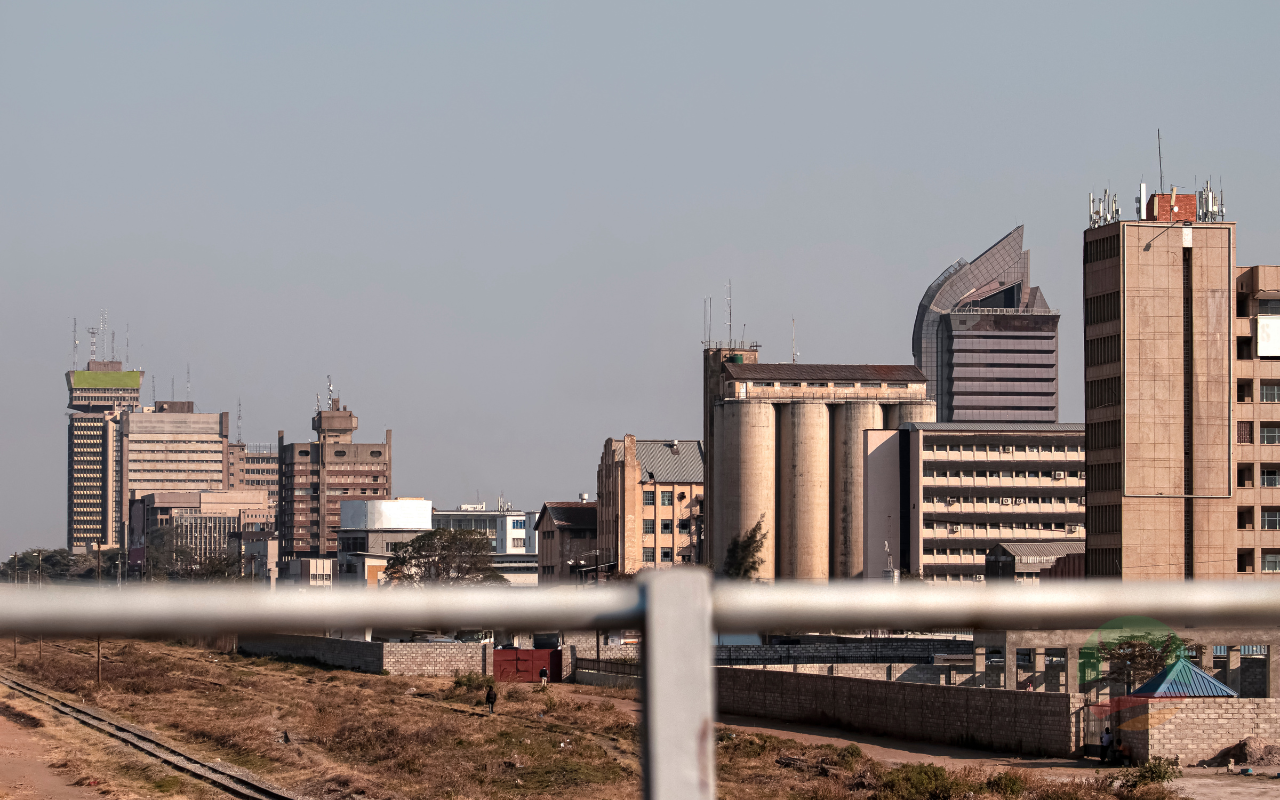
Photo: g mUnsplashUnsplash License
LUSAKA, 19 MAY 2026—Updated 24 Jun 2026
NAIROBI — The Africa Soft Power Summit is the four-day convening that runs 20-23 May, pulling investors and creators around one question: how creative output becomes investable capital.
For Zambia, the meeting matters because the country's creative output — music, film, fashion, digital content — sits behind only mining and agriculture in informal earnings but barely shows up in formal investment allocations. The summit's central wager, carried by African Business, is that finance, creativity and human capital compound into something investors will eventually price.
What's on the table in Nairobi
The Summit covers four programme strands: investment in the African creative economy; intellectual-property and the creator stack; cross-border production and distribution; and the policy frameworks that make creative work bankable. Sessions cover music streaming royalties, film co-production treaties, fashion-industry value chains and the data infrastructure that lets venture capital underwrite creator businesses at scale.
Research from the African Development Bank shows the continent's creative industries already contribute more than $58 billion annually to GDP across African economies, with growth rates that outpace the broader economy. Data from the same body shows financing remains the binding constraint — most creators self-finance or work through informal patron networks, with formal venture capital and bank lending touching only a fraction of activity.
When finance, creativity and human capital compound together, what becomes possible?
— Africa Soft Power Summit, programme framing for the 2026 Nairobi convening
What this means for Zambia
Three Zambian stories sit inside this conversation. The first is music. Yo Maps, Slap Dee and a generation of Lusaka-based producers have built domestic audiences and increasingly cross-border streams. The financial infrastructure around them — labels, publishers, rights administration — remains thin compared to Nigeria's or South Africa's.
The second is film. The National Film Agency of Zambia has been pushing for a co-production framework that lets Zambian projects access international financing through treaty-based mechanisms. The third is digital content: Zambian creators on TikTok, YouTube and Instagram have growing audiences, but the monetisation infrastructure — payments, tax handling, brand-deal pipelines — is fragmented.
The 2026 Summit at a glance
Dates: 20-23 May 2026 · Location: Nairobi, Kenya · Programme strands: investment, IP, production, policy · African creative economy GDP contribution: $58bn+ annually (AfDB data) · Headline question: how does creative output become investable capital?
Why Nairobi
Nairobi has positioned itself as Africa's creative-finance capital across the past five years. The city hosts more film and content studios than any other African city outside Johannesburg or Lagos, and it sits inside the largest East African market by both consumer spending and tech-investment volume. Hosting the Summit reinforces a position that Kenya's policy makers have actively cultivated — including through the Konza Technopolis project and the recent Creative Economy Bill.
Analysis from creative-economy researchers demonstrates the network effect of repeat convening. Lagos has Afro Nation; Cape Town has the Design Indaba; Kigali has Mobile World Congress Africa. Nairobi positioning the Africa Soft Power Summit as a recurring fixture is the same play — and the city has the infrastructure to back it.
Frequently Asked Questions
These are the questions Zambian creators, investors and policymakers have been asking about the Africa Soft Power Summit. Short answers follow, drawn from the programme materials and African Development Bank data on the continental creative economy.
What is the Africa Soft Power Summit?
In short, the Africa Soft Power Summit is a four-day annual convening that brings together African creators, investors and policymakers. The answer is that its focus is creative finance — how music, film, fashion and digital content become investable categories. The key is the cross-disciplinary mix: this is a finance gathering as much as a creative one.
How does the African creative economy compare to other sectors?
Simply put, the continent's creative industries contribute over $58 billion to GDP annually, according to African Development Bank research. The data shows growth rates exceeding the broader economy. The financing gap, however, remains the binding constraint on scale.
Why is Nairobi the venue?
The answer is positioning. Nairobi has been cultivating its role as Africa's creative-finance capital across the past five years, with policy frameworks like the Creative Economy Bill and infrastructure like Konza Technopolis. In other words, hosting the summit cements a position Kenyan policy is already paying for.
Where does Zambia fit?
The key is three sub-sectors: music (Yo Maps and the Lusaka producer generation), film (the National Film Agency's co-production push) and digital content (TikTok, YouTube and Instagram creators). Evidence from each shows the audience exists; the financing rails do not.
Who should attend?
Analysis of past summit attendee lists demonstrates the most useful registrants are investors looking at the continent's creative economy as an asset class, established creators looking for cross-border distribution and policymakers benchmarking creative-economy frameworks. Research from the convening's organisers shows a deliberate finance-creator-policy triangle.
What to watch
Two signals out of Nairobi. The first is announced funds — when a continental venture vehicle is announced at the summit with a creative-economy mandate, that is the next phase of the conversation. The second is policy commitments: which governments line up alongside Kenya with creative-economy frameworks, and whether Zambia's Ministry of Tourism and Arts sends a meaningful delegation.
Sources
African Business: The room where Africa's growth story gets rewritten. African Development Bank creative-economy data. National Film Agency of Zambia. Zambia Ministry of Tourism and Arts.
More on Sports/Entertainment

Samukonga wins Budapest 400m in season's best 44.02
Zambia's Muzala Samukonga ran a season's best 44.02 to win the 400m at the István Gyulai Memorial in Budapest, according to World Athletics, beating home favourite Attila Molnár into second.

Morocco reach World Cup last eight unbeaten in 34 matches
Morocco go into their World Cup quarter-final against France unbeaten in 34 matches, extending the continent's strongest showing at the tournament since the Atlas Lions reached the 2022 semi-final.
The Kwacha News briefing.
Business, markets and the Zambian economy — in your inbox.
