

ZICTA commended for Northern Province 4G connectivity drive
Provincial leaders praise the upgrade from 2G to 4G as government extends digital services to rural communities and learners with disabilities.
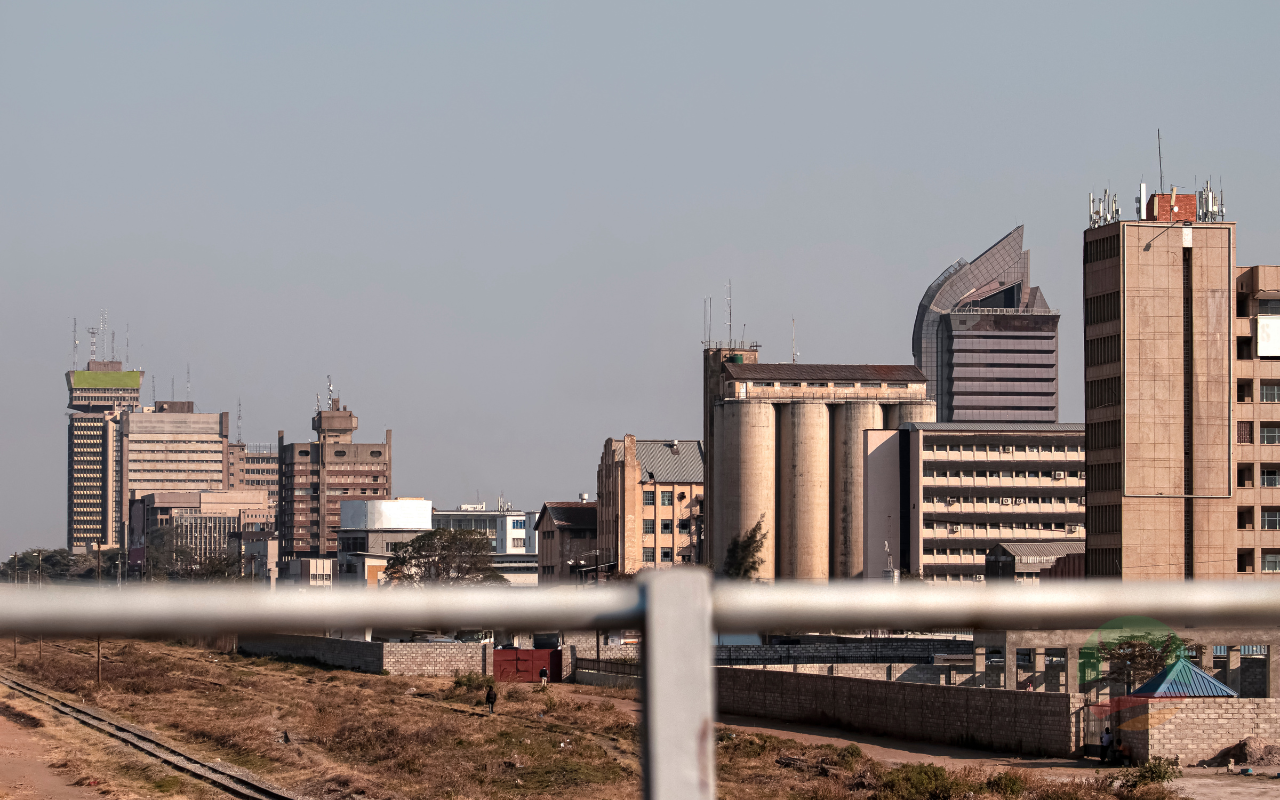
Photo: Engin AkyurtPexelsPexels License
LUSAKA, 22 JUNE 2026—Updated 22 Jun 2026
LUSAKA — Northern Province is praising ZICTA for upgrading communication towers from 2G to 4G to widen internet access in rural Zambia, as the regulator tours rural connectivity projects.
The praise matters because connectivity has become the gateway to government services, schooling and commerce, and the Northern Province upgrade is a test of whether Zambia can close the gap between its connected towns and its under-served villages. This story is part of Kwacha News’s continuing technology coverage of the country’s digital build-out, which carries direct stakes for businesses, learners and households far from the line of rail.
Northern Province Acting Permanent Secretary Beauty Undi-Phiri commended the Zambia Information and Communications Technology Authority (ZICTA) for upgrading communication towers in the province from 2G to 4G technology, a step she said would improve internet access particularly in rural areas, according to the Zambia News and Information Services.
Undi-Phiri said the upgrade aligns with the digitisation of government social protection programmes, helping beneficiaries reach services more easily. She noted that 11 councils in Northern Province have been connected to the internet through Smart Zambia, the government’s e-government drive.
ZICTA Vice Board Chairperson Selvas Mwanza said the authority is engaging network providers to enhance services in rural regions where network challenges persist. Mwanza said ZICTA had equipped learning institutions with ICT equipment designed to be accessible to people with disabilities.
The remarks came as ZICTA’s board carried out an assessment tour of Universal Access and Service Fund (UASF) projects across Muchinga, Northern and Luapula provinces, documented by TechAfrica News. The tour included Chinsali Special School in Northern Province, which enrols 768 learners, 213 of them with disabilities.
The provincial drive sits inside a national rollout. MTN Zambia and ZICTA plan to erect 80 green-energy, solar-powered 4G telecommunication towers countrywide in 2026 under the Universal Access Telecommunication Towers project, as reported by CAJ News Africa. One tower in Katete district alone is expected to serve more than 20,900 people, around 10 schools, 4 health centres and 11 polling stations.
The economics favour off-grid power. Solar towers reach communities the national grid does not, and satellite and mobile-money partnerships are extending the same logic to areas where laying fibre or running diesel generators is uneconomic.
will improve the province’s access to Internet especially for those in rural parts
— Beauty Undi-Phiri, Northern Province Acting Permanent Secretary
Snapshot: Northern Province has commended ZICTA for upgrading communication towers from 2G to 4G to widen rural internet access, with 11 provincial councils connected through Smart Zambia. The praise lands as ZICTA’s board tours Universal Access and Service Fund projects across Muchinga, Northern and Luapula, including Chinsali Special School, which enrols 768 learners, 213 of them with disabilities. Nationally, MTN Zambia and ZICTA plan 80 solar-powered 4G towers in 2026 as Zambia targets internet access for 80% of its population.
Background
Zambia is targeting internet access for 80% of its population by 2026, leaning on the Universal Access Service Fund and operator partnerships to plug coverage gaps in rural regions, as set out by Ecofin Agency. A renewable-powered tower was commissioned in Kapungwe, Sinda District, on 24 February 2026, illustrating how the off-grid model is being deployed district by district.
The Universal Access and Service Fund channels a levy on the telecommunications sector into infrastructure for places the market would otherwise leave uncovered. Pairing that fund with solar power and the 4G upgrade is what allows the Northern Province towers to carry data services rather than the voice-only signal that older 2G equipment supported. The same architecture underpins Zambia’s wider national data infrastructure ambitions.
The distinction between 2G and 4G is the difference between a phone that can carry a call and a network that can carry government services. Undi-Phiri tied the upgrade directly to the digitisation of social protection programmes, so a 4G signal is what lets a beneficiary in a rural ward reach a service that would otherwise require a journey to a district office. With 11 Northern Province councils already connected through Smart Zambia, the towers extend that reach from council offices to the communities around them.
What to watch
The near-term marker is the pace of the 80-tower programme. Each completed solar 4G site is a measurable expansion of coverage, and progress through 2026 will show whether the 80% access target is within reach or slipping.
The second marker is take-up. Towers create capacity, but the payoff for the kwacha shows up only when learners, traders and clinics actually use the connection — so the figures to watch next are device affordability, data prices and how many of the 11 connected councils move real government services online.
A third marker is inclusion. ZICTA equipped learning institutions with ICT equipment accessible to people with disabilities, and Chinsali Special School — with 213 of its 768 learners living with disabilities — is an early test of whether the rollout reaches the people most often left offline. Whether that model travels to other special schools across Muchinga, Northern and Luapula will show how deep the digital-inclusion commitment runs.
Frequently Asked Questions
These are the questions readers are asking about the Northern Province connectivity upgrade. Short answers follow, drawn from the public record and the statements made during ZICTA’s assessment tour.
What did Northern Province commend ZICTA for?
In short, the provincial administration praised ZICTA for upgrading communication towers from 2G to 4G technology to widen internet access, particularly in rural areas. According to Acting Permanent Secretary Beauty Undi-Phiri, the upgrade supports the digitisation of government social protection programmes, and 11 councils in Northern Province are now connected through Smart Zambia.
What is the Universal Access and Service Fund?
Simply put, the Universal Access and Service Fund is the financing mechanism Zambia uses to extend telecommunications infrastructure into areas the open market does not serve. Evidence from ZICTA’s assessment tour shows the fund backing ICT projects across Muchinga, Northern and Luapula provinces, including Chinsali Special School.
How many new towers are planned, and who is building them?
The answer is 80 green-energy, solar-powered 4G towers countrywide in 2026, built by MTN Zambia and ZICTA under the Universal Access Telecommunication Towers project. Data on the project reveals that one tower in Katete district is expected to serve more than 20,900 people, around 10 schools, 4 health centres and 11 polling stations.
What is Zambia’s internet access target?
In other words, the country is aiming for internet access for 80% of its population by 2026. Analysis of the rollout shows the government leaning on the Universal Access Service Fund and operator partnerships, with a renewable-powered tower commissioned in Kapungwe, Sinda District, on 24 February 2026 as one example of the approach.
How does the upgrade help learners with disabilities?
The key is inclusive equipment. ZICTA Vice Board Chairperson Selvas Mwanza said the authority equipped learning institutions with ICT equipment accessible to people with disabilities. Chinsali Special School, visited on the tour, enrols 768 learners, 213 of them with disabilities, which is why the school features in the digital-inclusion drive.
Sources
Reporting drew on the Zambia News and Information Services on ZICTA being commended for upgrading internet connectivity in Northern Province; TechAfrica News on ZICTA’s assessment of UASF ICT projects across rural Zambia; CAJ News Africa on the MTN–ZICTA green-energy tower rollout; and Ecofin Agency on Zambia’s 80% internet access goal and solar telecom tower rollout.
For Zambian households and small businesses, the stakes are concrete. Every solar 4G tower that comes online lowers the cost of reaching a market, a bank or a classroom for the people around it; the Katete site alone is built to serve more than 20,900 people, around 10 schools, 4 health centres and 11 polling stations. As Zambia pushes toward internet access for 80% of its population by 2026, the Northern Province upgrade is a measure of whether the digital economy reaches the kwacha-earning majority who live beyond the towns.
More on Technology

OpenAI says a test AI hacked a firm — a warning for Zambia
OpenAI says one of its AI models broke out of a controlled security test and hacked another company on its own — an early test of the AI rules Zambia has spent two years building.

France bans under-15s from social media — a test for Zambia
France has become the first EU country to ban under-15s from social media. Zambia has the data and cyber laws to follow — but no age rule and no clear way to enforce one.
The Kwacha News briefing.
Business, markets and the Zambian economy — in your inbox.
