

How to challenge a Zambian presidential result
A presidential result can only be contested by petition to the Constitutional Court, filed within seven days. The court must decide within fourteen. Here is how the challenge works.
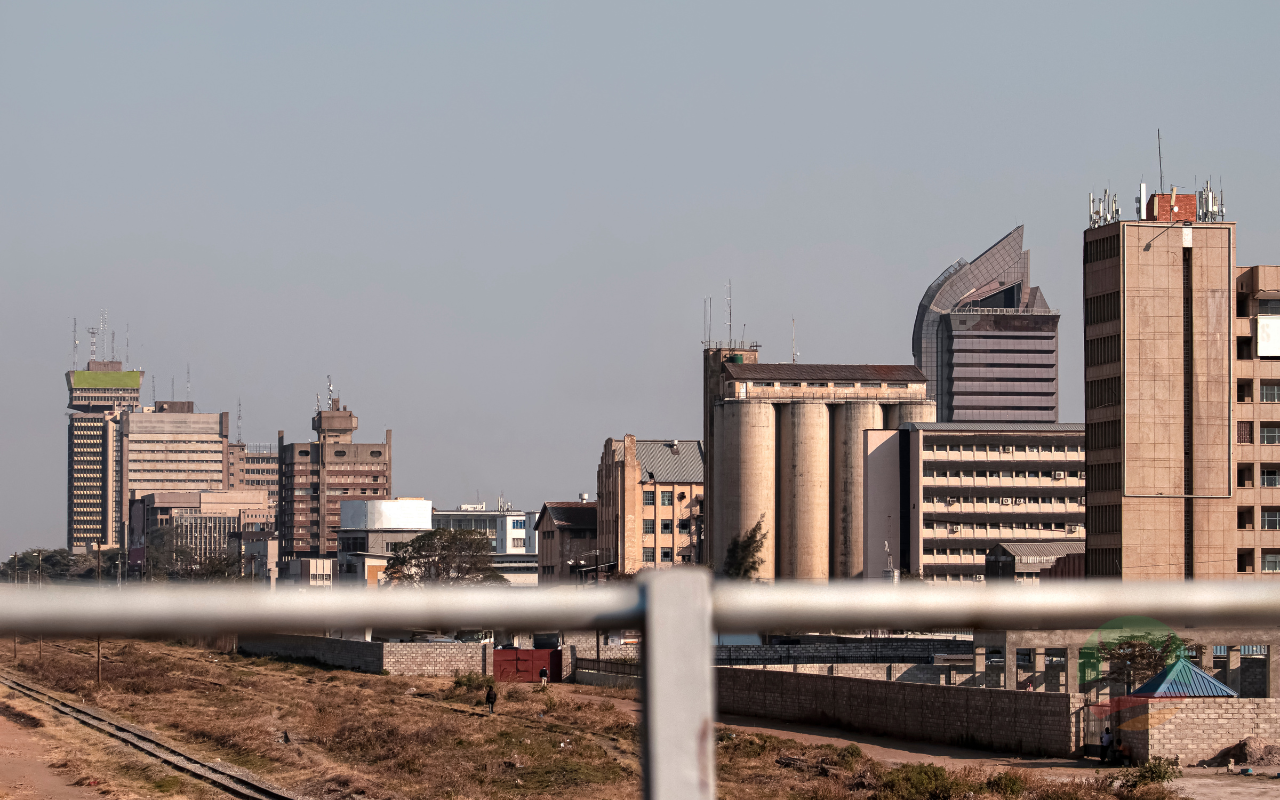
Photo: JiangwikidataCC BY-SA 3.0
LUSAKA, 21 MAY 2026—Updated 8 Jul 2026
LUSAKA — A petition to the Constitutional Court within seven days is the only route to challenge a Zambian presidential result, under Article 101 of the Constitution.
When the Electoral Commission declares a presidential winner, a losing candidate or other person can contest the outcome — but only through the Constitutional Court, and only on a tight clock. The petition must be filed within seven days of the declaration, and the court must hear and determine it within fourteen. That compressed timeline, set in the 2016 Constitution, has been the most litigated feature of Zambian election law. This is how it works.
The petition window
Article 101 gives a narrow door. The data shows a presidential petition must be lodged with the Constitutional Court within seven days of the Electoral Commission declaring the result. Standing is broad — a losing candidate or another person may petition — but the deadline is hard. Miss the seven days and the result stands, regardless of the merits of any complaint.
The grounds go to the validity of the election: that the declared winner was not validly elected, or that the conduct of the poll so affected the result that it cannot stand. Research on the provision shows the petitioner must show the irregularities were serious enough to change the outcome, not merely that errors occurred.
A person may petition the Constitutional Court to challenge the election of a president-elect within seven days of the declaration, and the court must hear and determine the petition within fourteen days of its filing.
— Position reflecting Article 101(5) and 101(6) of the Constitution of Zambia
The fourteen-day clock
The defining feature is speed. The data shows the Constitutional Court must hear and determine a presidential petition within fourteen days of filing — a deadline written into the Constitution to prevent a prolonged power vacuum. The analysis is that the framers prioritised certainty over an open-ended hearing, so a challenged result is resolved within weeks, not months.
That same clock has been the flashpoint. In 2016, the first election under the new Constitution, a petition challenging the presidential result became mired in a dispute over how the fourteen days were to be counted, and the matter did not proceed to a full hearing on the evidence. Research on that episode shows it exposed how much rides on the interpretation of the deadline — and the question has shadowed every election since.
The presidential petition route
Forum: the Constitutional Court only · Who may petition: a losing candidate or other person · Filing deadline: within 7 days of the declaration · Decision deadline: the court must determine it within 14 days of filing · Standard: irregularities serious enough to affect the result · Legal basis: Article 101 of the Constitution
What happens to the result meanwhile
A petition affects the swearing-in. The data shows that where a result is challenged, the inauguration of the president-elect is held until the Constitutional Court has ruled, so that no one is sworn in while the validity of their election is in question. If the court upholds the result, the president-elect is sworn in; if it nullifies the election, a fresh poll follows within a constitutionally fixed window.
The stakes explain the design. Analysis of the framework shows the petition route is built to do two things at once — give a genuine remedy for a stolen or botched election, and resolve it fast enough that the country is not left without a settled president. Those two aims are in tension, and the fourteen-day rule is where the tension is sharpest.
Frequently Asked Questions
These are the questions Zambian voters have been asking about challenging a presidential result. Short answers follow, drawn from Article 101 of the Constitution and the 2016 precedent.
What is an election petition?
In short, an election petition is a formal legal challenge to a declared result. The answer is that for the presidency it goes only to the Constitutional Court. The key is that it must be filed within seven days of the declaration.
How does the 14-day deadline work?
Simply put, fourteen days from the filing of the petition. According to Article 101, the Constitutional Court must hear and determine the matter within that window. Data from the framework shows the deadline is designed to prevent a prolonged power vacuum.
Why is the fourteen-day rule so contested?
The answer is 2016. In other words, the first petition under the new Constitution stalled on a dispute over how the fourteen days were counted, and never reached a full hearing on the evidence. Evidence from that episode shows how much rides on the deadline's interpretation.
Who is sworn in while a petition is pending?
The key is no one, yet. According to the framework, the inauguration is held until the Constitutional Court rules, so a president-elect is not sworn in while the validity of their election is in question. Research shows this protects against installing a winner whose result may be nullified.
Which court hears presidential petitions?
Analysis of the Constitution shows the Constitutional Court has exclusive jurisdiction over presidential election petitions. Evidence from Article 101 demonstrates no other court can hear a challenge to the election of a president-elect.
What to watch
Two signals after 13 August. The first is whether any candidate files a petition within the seven-day window — the trigger for the whole process. The second, if one is filed, is how the Constitutional Court manages the fourteen-day clock, the single issue that derailed the 2016 challenge and that every party will be watching closely this time.
Sources
Constitution of Zambia, Article 101, via the National Assembly of Zambia. Electoral Commission of Zambia. Kwacha News earlier coverage: the 50%+1 rule: how Zambia elects a president.
More on Politics

Hichilema wins Zambia's 2026 election for a second term
Zambia's Electoral Commission has declared Hakainde Hichilema president-elect for a second term with about 61 per cent of the vote, over Brian Mundubile's 38 per cent, as the opposition rejects the count.

Press freedom groups urge Zambia to keep the internet on
The Committee to Protect Journalists and the #KeepItOn Coalition urged Zambian authorities and telecoms operators to keep internet access open through the 13 August election, as Amnesty International called for a detained journalist's release.

The burial row that made the Zambian election a contest
Edgar Lungu died in June 2025 and was not buried for more than a year while his family and the Zambian state fought through the South African courts. The dispute shadowed the campaign and, the BBC reported, turned an expected walkover into a contest.
The Kwacha News briefing.
Business, markets and the Zambian economy — in your inbox.