

UN cuts global growth forecast: Zambia's exposure
The UN trimmed its 2026 world growth outlook, blaming the Middle East crisis and high oil. For Zambia, the transmission runs through copper demand, the kwacha and fuel.
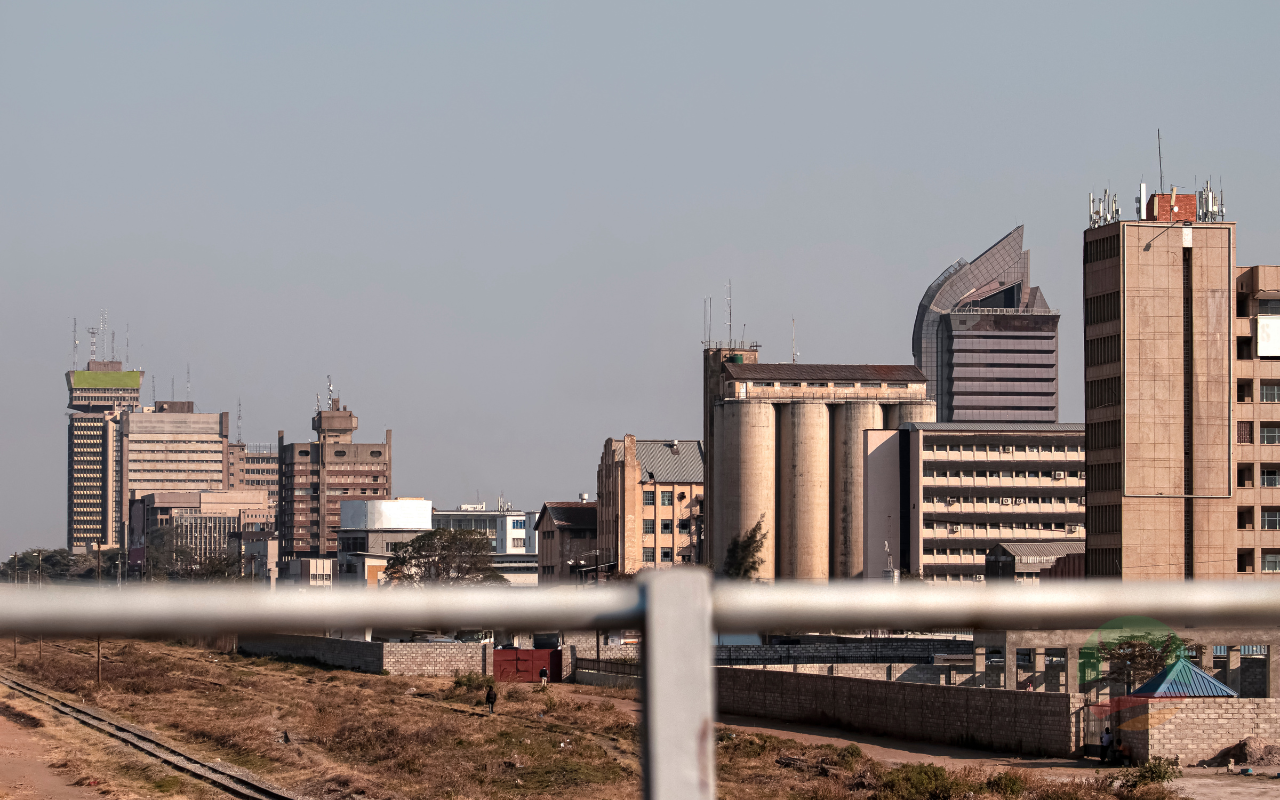
Photo: ZANISzanisGovernment of Zambia — editorial use
LUSAKA, 20 MAY 2026—Updated 8 Jul 2026
LUSAKA — A weaker world economy is what the United Nations now forecasts for 2026, and Zambia's exposure to the downgrade runs through copper, the kwacha and fuel.
The downgrade, reported by Al Jazeera, blames the Middle East crisis and elevated oil prices for the trim. For a copper-exporting, fuel-importing economy, a slower world is not an abstraction. It transmits through three measurable channels — copper demand and price, the kwacha exchange rate, and the fuel-import bill that feeds domestic inflation.
Channel one: copper
Copper is the channel that matters most. The metal accounts for the large majority of Zambia's export earnings, and its price tracks global industrial demand — construction, manufacturing, the electrification build-out. The data shows that when the UN or IMF trims world growth, copper demand expectations soften, and the price follows unless a supply shock offsets it.
The nuance for 2026 is the energy-transition floor. Research from commodity analysts shows copper demand has a structural support that did not exist a decade ago: grid investment, electric vehicles and data-centre power all consume copper regardless of the broader cycle. The analysis suggests a global slowdown dents the price less than it would have, because the green-demand floor partly offsets cyclical weakness.
The UN cut its global growth forecast, blaming the Middle East crisis for dragging on an already fragile world economy.
— Al Jazeera, UN cuts global growth forecast, 20 May 2026
Channel two: the kwacha
The kwacha is the second channel. A weaker global outlook pushes investors toward safe-haven assets — the US dollar, US Treasuries — and away from emerging-market currencies. The data shows that risk-off episodes tend to weaken the kwacha against the dollar even when Zambia's domestic fundamentals are stable, because the move is global, not local.
The offset is copper receipts. When copper holds up, Zambia's export dollars keep flowing in, which supports the kwacha. The interaction between the copper channel and the currency channel is what the Bank of Zambia watches most closely, because a weak-world scenario where copper holds is very different from one where copper falls with everything else.
Three transmission channels to Zambia
Copper: world growth shapes demand and price; green-demand floor partly offsets · Kwacha: risk-off pushes investors to the dollar, pressuring the currency · Fuel: oil-driven import bill feeds pump prices and domestic inflation · The interaction matters more than any single channel
Channel three: fuel and inflation
Fuel is the third channel, and the one the UN named directly. The forecast cut blames high oil prices tied to the Middle East crisis. Zambia imports all its refined fuel, so a higher oil price feeds straight into the pump price set by the Energy Regulation Board, and from there into transport costs, food prices and headline inflation.
Kwacha News has reported the oil-and-inflation linkage before. The mechanism is unchanged: when Brent rises, the import bill rises, the kwacha cost of fuel rises, and the Bank of Zambia faces pressure to hold or tighten the policy rate to contain second-round effects. A weak-world scenario driven by high oil is the awkward case — it slows demand while keeping import costs high.
Frequently Asked Questions
These are the questions Zambian readers have been asking about the UN's forecast cut and what it means at home. Short answers follow, drawn from Al Jazeera's reporting and Zambian macroeconomic data.
What is the UN forecasting?
In short, the United Nations has trimmed its 2026 global growth forecast. The answer is that it blames the Middle East crisis and elevated oil prices for the downgrade. The key is that the cut signals a more fragile world economy than the prior projection assumed.
How does this reach Zambia?
Simply put, through three channels: copper, the kwacha and fuel. Research from commodity and currency analysts shows copper demand softens with world growth, risk-off pressures the kwacha, and high oil feeds inflation. The data shows the interaction between them decides the net effect.
Why might copper hold up anyway?
The answer is the energy transition. In other words, grid investment, electric vehicles and data centres consume copper structurally, regardless of the cycle. Evidence from commodity analysis demonstrates this green-demand floor cushions copper against a broad slowdown.
Who manages the kwacha exposure?
The key is the Bank of Zambia. According to the central bank's mandate, it manages monetary policy and intervenes in the FX market to smooth disorderly moves. Research from prior risk-off episodes shows the central bank watches the copper-currency interaction most closely.
How can businesses hedge this?
Analysis of import-exposed Zambian businesses shows the practical hedges are forward FX cover on dollar payables, fuel-cost pass-through clauses in contracts, and inventory timing around expected pump-price reviews. Evidence from prior cycles demonstrates that businesses with FX cover weather risk-off episodes far better than those exposed at spot.
What to watch
Two signals. The first is the copper price on the London Metal Exchange — if it holds above recent levels through the slowdown, the green-demand floor thesis holds and Zambia's export base is protected. The second is the next Energy Regulation Board fuel-price review, which will show how much of the oil move is passing through to Zambian pumps and, from there, into inflation.
Sources
Al Jazeera: UN cuts global growth forecast, blaming Middle East crisis. Bank of Zambia. Kwacha News earlier coverage: Oil at $110 puts the kwacha and Zambian inflation in the firing line.
More on Business & Economy

Guinea bans raw gold exports as Africa pushes local refining
Guinea has banned raw gold exports and now demands local refining, African Business reported. For Zambia, whose copper still leaves largely unprocessed, the move sharpens a long-running question about where the value is captured.

Zambia cuts fuel prices again as shop prices stay high
Zambia's Energy Regulation Board cut pump prices for a third straight month in August 2026, but transport fares and food prices remain high and non-food inflation is rising.
The Kwacha News briefing.
Business, markets and the Zambian economy — in your inbox.

