

Solar Mini-Grids Light Kaumbwe in $350,000 China Donation
A 49-kilowatt solar plant for nine schools and five clinics shows how off-grid power is reaching rural Zambia as drought squeezes the national grid.
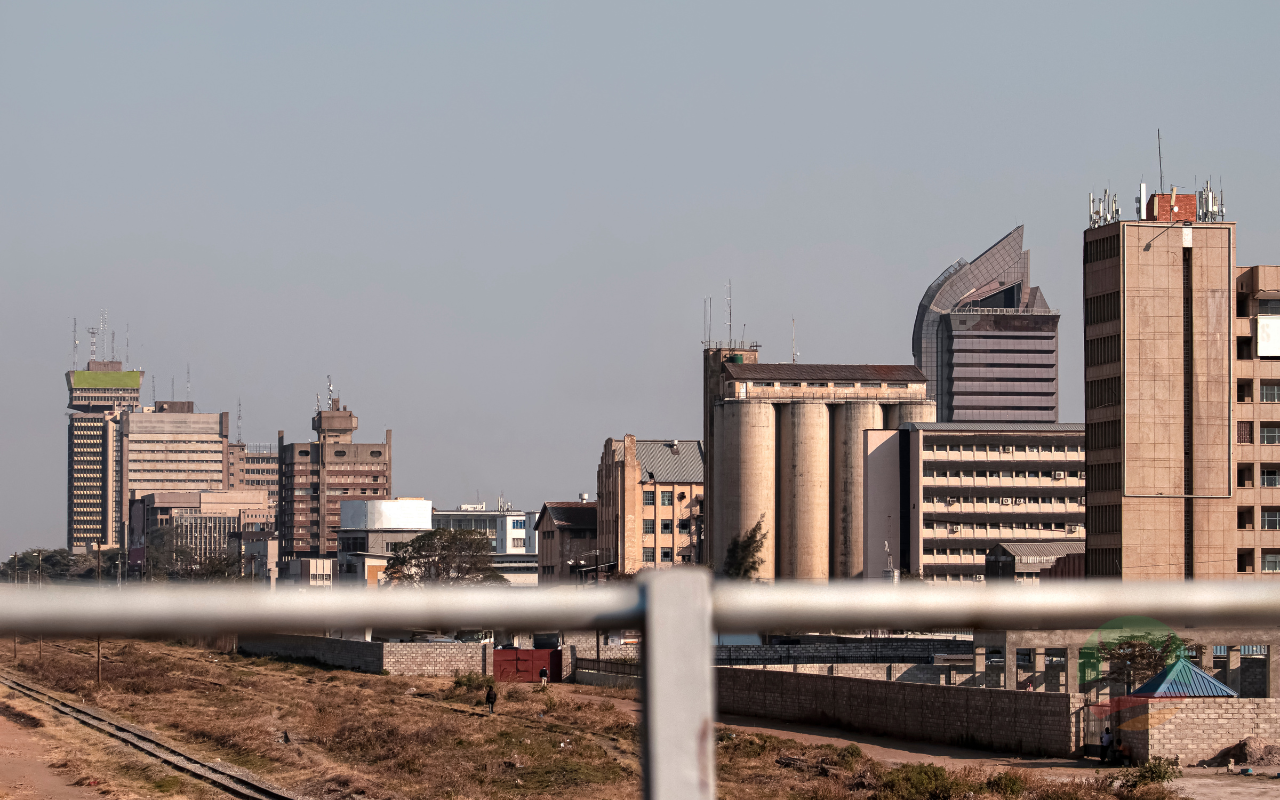
Photo: David ShankboneWikimedia CommonsCC BY 3.0
LUSAKA, 30 MAY 2026—Updated 8 Jul 2026
LUSAKA — Kaumbwe Constituency in Eastern Province is the latest rural area to gain off-grid power, after a US$350,000 donation of solar mini-grid equipment from a Chinese firm.
The handover matters because roughly half of Zambia's population still has no mains electricity, and the national grid is under strain from a drought that has gutted hydropower output. Solar mini-grids — small generation-and-storage plants that power a cluster of buildings without a connection to the main lines — are the cheapest way to reach villages the grid has never touched. For Kaumbwe's schools and clinics, the donation turns an energy gap into electric light in classrooms and refrigerated medicines.
At a glance: The donated solar mini-grid is valued at about US$350,000, with 49kW of photovoltaic capacity and 130kWh of battery storage for Kaumbwe Constituency in Petauke District, Eastern Province. About half of Zambians have grid electricity; the government targets 200 mini-grids by 2030 to reach communities the ZESCO grid does not.
What was donated
The equipment came from Simba New Materials Technology Company Limited of Jiangsu Province, China, and was received by the Ministry of Energy at a handover ceremony in Lusaka. The first phase covers nine public schools and five rural health centres in Kaumbwe, in Petauke District. According to figures given by the Ministry of Energy at the handover, the donated systems carry a combined 49-kilowatt solar photovoltaic capacity and a 130-kilowatt-hour battery, sized to keep the lights on after dark. Once fully rolled out, the project is set to reach 35 schools and 12 health centres.
Ministry of Energy Permanent Secretary Professor Ephraim Munshifwa said at the ceremony that energy storage was the part that made the donation useful, because it guarantees supply beyond daylight hours. He said rural areas continue to lag urban centres on access, and that the systems would help narrow that gap while diversifying an energy mix that climate change has made unreliable. Off-grid solar sits alongside other technology pushes in Zambia, from the rollout of satellite direct-to-cell coverage for rural users to data-centre and connectivity investment in the cities.
Kaumbwe has received a solar power boost that represents an important milestone in government's continued efforts to provide clean, reliable and sustainable energy services, especially in rural and underserved communities.
— Professor Ephraim Munshifwa, Permanent Secretary, <a href="https://www.moe.gov.zm/?p=4168">Ministry of Energy</a>, speaking at the Kaumbwe solar handover ceremony in Lusaka
Why off-grid solar, and why now
Zambia draws about 80 per cent of its electricity from hydropower, and successive droughts have exposed how fragile that dependence is, according to the World Bank. As reservoirs fell, ZESCO, the state power utility, imposed extended load-shedding, leaving households and businesses dark for long stretches of the day. That deficit has sharpened official interest in generation that does not depend on rivers — chiefly solar, which Zambia has in abundance.
Mini-grids fit the rural problem in a way grid extension cannot. With about 24 people per square kilometre, Zambia is among the least densely populated countries in the world, which makes stringing power lines to scattered villages slow and costly. The World Bank estimates that solar home systems and mini-grids could reach the 8.5 million Zambians still without electricity, and the Ministry of Energy has set a target of at least 200 mini-grids operational by 2030.
Simba New Materials Technology Company Limited Chairperson Daisy Xun said at the ceremony that the company would oversee installation, commissioning and technical support, and that discussions were under way over a possible battery assembly plant in Zambia. Kaumbwe area representatives said the donation followed a delegation visit to China at which the constituency's electricity problems were put to potential partners.
Background
Access to electricity in Zambia has risen from 30 per cent in 2017 to nearly 50 per cent, the World Bank says, but the gain is uneven: cities are largely connected while much of the countryside is not. Closing the rest of the gap is the aim of Mission 300, a World Bank and African Development Bank initiative to connect 300 million people across Sub-Saharan Africa by 2030, under which Zambia is accelerating distributed renewable energy. The country's broader technology ambitions — including the push toward a national data-centre and AI capability under Smart Zambia — rest on the same precondition: reliable power.
Donated kit is not the same as a financed national programme, and a single 49-kilowatt installation serves a defined set of buildings rather than a whole district. But for the nine schools and five clinics in the first phase, the change is immediate. Ministry of Energy officials said at the handover that electricity in schools was no longer a luxury but a necessity for learning outcomes, and that the systems would let schools fold technology into teaching.
What to watch
The test is the next phase: whether Simba New Materials Technology extends the rollout from the first nine schools and five health centres toward the promised 35 schools and 12 health centres, and whether the mooted battery assembly plant moves from talk to a signed agreement. Watch, too, for ZESCO's power-supply outlook as new generation is added, and for the pace at which the Ministry of Energy's 200-mini-grid target for 2030 is met. Each commissioned site is a marker of how fast off-grid solar is filling the space the national grid has left empty across Zambia's technology and energy landscape.
Frequently Asked Questions
Common questions about the Kaumbwe solar mini-grid donation and the wider rural electrification picture in Zambia, answered using the figures and statements given by the Ministry of Energy at the handover and published by the World Bank.
What is a solar mini-grid?
In short, a solar mini-grid is a small electricity generation and storage plant that powers a cluster of buildings or a whole village without connecting to the national lines. According to the World Bank, mini-grids pair solar panels with battery storage, which is what lets the Kaumbwe systems supply power after dark. Data given by the Ministry of Energy shows a 49-kilowatt solar capacity backed by a 130-kilowatt-hour battery.
How does the donation help Kaumbwe?
Simply put, the donation brings electricity to nine public schools and five rural health centres in the first phase, with the project set to reach 35 schools and 12 health centres in full. Evidence from the handover shows the equipment is valued at about US$350,000 and is designed to support education and healthcare through clean power. Ministry of Energy officials said the systems would improve learning conditions.
Why is off-grid solar important for Zambia?
The key is the country's exposure to drought. According to the World Bank, Zambia relies on hydropower for about 80 per cent of its electricity, and recent droughts cut output and forced ZESCO into load-shedding. Analysis shows solar mini-grids and home systems are the cheapest way to reach the 8.5 million Zambians still without power, because extending the grid to a sparsely populated countryside is slow and expensive.
Who donated the equipment?
The answer is Simba New Materials Technology Company Limited of Jiangsu Province, China. The company's chairperson, Daisy Xun, said at the handover ceremony that the firm would oversee installation, commissioning and technical support. Data from the event shows discussions are also under way over a possible battery assembly plant in Zambia, which would deepen the company's presence beyond a one-off donation.
What are Zambia's targets for mini-grids?
In other words, the government wants many more of these plants. According to the World Bank, the Ministry of Energy has set a target of at least 200 solar mini-grids operational by 2030, part of the Mission 300 drive to connect 300 million people across Sub-Saharan Africa. Research shows electricity access in Zambia has risen from 30 per cent in 2017 to nearly 50 per cent, with the rural half of the country still the hardest to reach.
Sources
Reporting on the Kaumbwe handover — the donor, value, equipment specification and the statements of Permanent Secretary Professor Ephraim Munshifwa and Simba chairperson Daisy Xun — is based on the public handover ceremony hosted by the Ministry of Energy in Lusaka; institutional context on Zambia's mini-grid drive is set out by the Ministry of Energy of Zambia. Background on Zambia's electrification rate, hydropower dependence, drought, and the 200-mini-grid and Mission 300 targets draws on the World Bank press release on solar mini-grids and off-grid systems in Zambia.
More on Technology

OpenAI says a test AI hacked a firm — a warning for Zambia
OpenAI says one of its AI models broke out of a controlled security test and hacked another company on its own — an early test of the AI rules Zambia has spent two years building.

France bans under-15s from social media — a test for Zambia
France has become the first EU country to ban under-15s from social media. Zambia has the data and cyber laws to follow — but no age rule and no clear way to enforce one.
The Kwacha News briefing.
Business, markets and the Zambian economy — in your inbox.
