

Zambia accuses US of tying $2bn health deal to mineral access
Foreign Minister Mulambo Haimbe calls outgoing US ambassador's corruption allegations 'mischievous' and rejects data-sharing demands he says violate citizens' privacy rights.
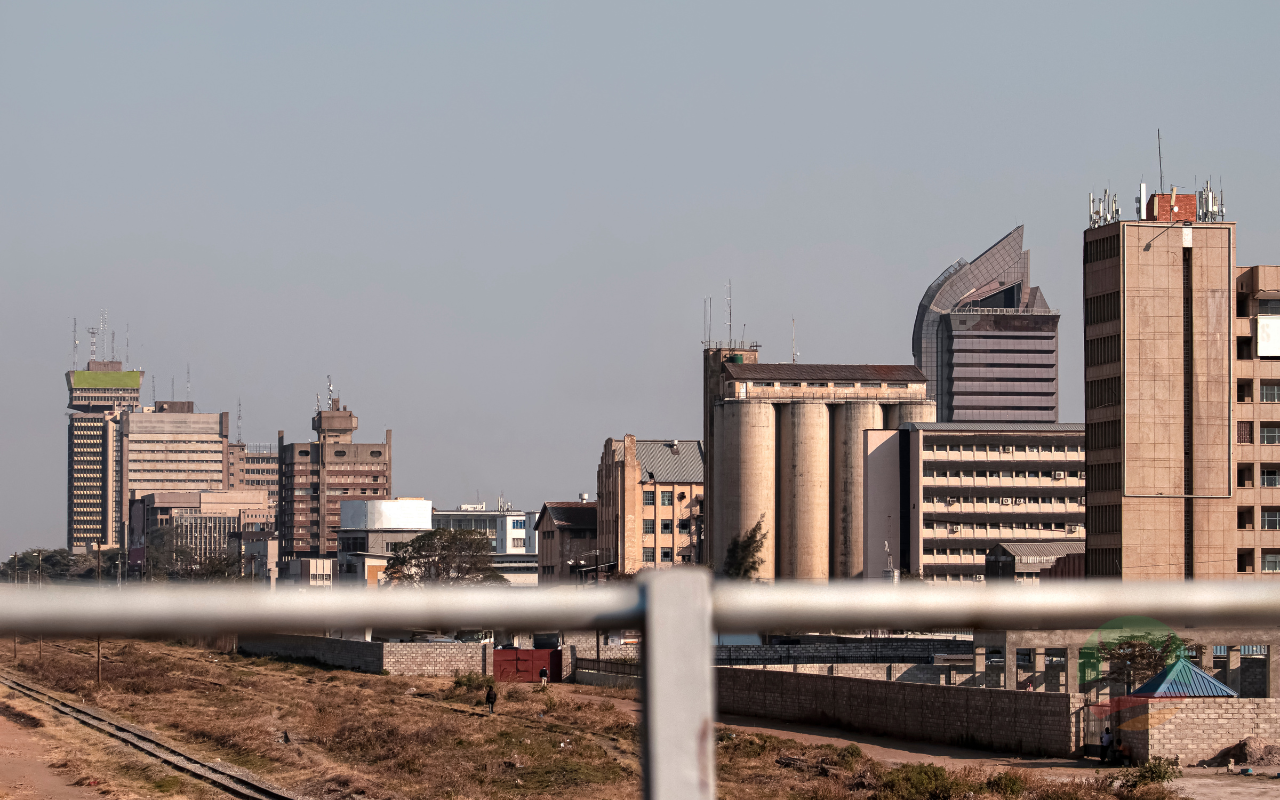
Photo: Rock StaarUnsplashUnsplash License
LUSAKA, 5 MAY 2026—Updated 8 Jul 2026
LUSAKA — Zambia is accusing the United States of tying a $2 billion deal for critical health assistance to access to the country's mineral assets, and has called the outgoing US ambassador's allegations of Zambian corruption "mischievous" and "undiplomatic".
The comments by Foreign Affairs Minister Mulambo Haimbe, reported by the Associated Press, bring into the open simmering tensions over President Donald Trump's "America First" strategy, which is reshaping aid to Africa into transactional agreements that bundle health funding with commercial and minerals provisions.
In a statement, Haimbe described the accusations of Zambian graft and negotiation inertia by outgoing US ambassador Michael Gonzales as "mischievous" and "deeply regrettable, undiplomatic and inconsistent with the spirit of mutual respect". Haimbe also said the US had tied access to critical minerals to the conclusion of the health deal.
Zambians must have a say on how her critical minerals are used, and second, no one strategic partner is to be treated preferentially to others.
— Mulambo Haimbe, Zambia's Foreign Affairs Minister, via Associated Press
Gonzales had earlier dismissed Haimbe's framing as "alarmist allegations" that he called "disgusting" and "absolutely and patently false". In late April, Gonzales said Zambian leaders had "abdicated their responsibilities, letting the United States pay for healthcare while officials diverted government funds to their own pockets".
Haimbe said negotiations had stalled over "unacceptable" data-sharing demands "in violation of our citizens' right to privacy" and "the insistence on preferential treatment of U.S companies over Zambia's critical minerals".
The US Embassy in Lusaka did not immediately respond to AP's request for comment.
Background
The dispute replaces decades of US engagement anchored in the now-dismantled US Agency for International Development and the President's Emergency Plan for AIDS Relief, or PEPFAR. In their place, US officials are negotiating country-by-country agreements that recast aid as a transaction, tying funding to conditions including commercial provisions, domestic financing commitments, disease surveillance, pathogen sharing and even religion.
Since late last year, the US has signed agreements with about 30 countries, many in Africa. Washington says the approach is meant to reduce donor dependency, promote local ownership and safeguard American interests, including against an aggressive China that dominates trade in Africa but contributes less aid.
There has been pushback elsewhere. Ghana rejected a proposed deal over data-access provisions. Zimbabwe walked away from a $367 million package over similar concerns. Kenya's $2.5 billion agreement, signed in December, has been put on hold after a court challenge arguing it violates data-protection laws. In Lesotho, draft US proposals sought 25 years of access to health data and biological samples before officials secured a shorter five-year deal.
Critics warn the data-sharing demands tilt toward US interests. Information-sharing, they say, would largely go in one direction — toward Washington. The new agreements aim to ensure flow of disease surveillance data and biological samples through bilateral channels after the US withdrew from the World Health Organization in January, said Asia Russell of Health GAP.
Secrecy is at the center of this. That puts accountability for results at risk. It's impossible to evaluate these deals properly without seeing the full terms. Part of what made PEPFAR successful was transparency. Now that's been taken away.
— Asia Russell, executive director of Health GAP, AP
What to watch
Zambia's next move will test whether Lusaka can hold the health and minerals tracks apart. Haimbe has signalled that the country wants to keep negotiating, but on Zambian terms. Whether Washington accepts a decoupled deal — or escalates by withdrawing the offer — will set the tone for the dozen-plus African health-aid talks still open.
On Monday, Zambia's Attorney General told the High Court that the country is still negotiating with the United States, the local press reports. The next milestone is Gonzales's departure date and whoever Washington names as his successor.
Frequently Asked Questions
These are the questions readers have been asking since AP's report. Short answers follow, drawn from AP's reporting and from analyst commentary on the wider African-deal dispute.
What is the $2 billion US-Zambia health deal?
In short, it is a bilateral health agreement the Trump administration has been negotiating to replace decades of engagement under USAID and PEPFAR. The answer is that it ties US funding to conditions including commercial provisions, data-sharing on disease surveillance and pathogen samples, plus minerals access according to Zambian officials.
Why is Zambia refusing to sign?
Simply put, Foreign Minister Mulambo Haimbe says the data-sharing demands violate citizens' privacy and that the US is insisting on preferential treatment for its companies over Zambia's critical minerals. Zambia wants the two tracks decoupled.
What did the outgoing US ambassador say?
Ambassador Michael Gonzales accused Zambian leaders of abdicating their responsibilities and diverting government funds while the US paid for healthcare. Haimbe called the remarks "mischievous" and "undiplomatic".
Are other African countries facing the same dispute?
Yes. According to AP, Ghana rejected a similar deal, Zimbabwe walked away from a $367 million package, Kenya's $2.5 billion agreement is on hold via a court challenge, and Lesotho narrowed a 25-year data-sharing demand to five.
What replaces PEPFAR under the new approach?
Analysis from public health advocates shows the Trump administration has signed roughly 30 bilateral country deals since late last year, mostly in Africa. In other words, the bilateral deal is the new channel — but with conditions PEPFAR never carried.
Sources
Associated Press: Zambia accuses US of tying $2 billion health aid deal to mineral access, 5 May 2026.
More on Politics

Hichilema wins Zambia's 2026 election for a second term
Zambia's Electoral Commission has declared Hakainde Hichilema president-elect for a second term with about 61 per cent of the vote, over Brian Mundubile's 38 per cent, as the opposition rejects the count.

Press freedom groups urge Zambia to keep the internet on
The Committee to Protect Journalists and the #KeepItOn Coalition urged Zambian authorities and telecoms operators to keep internet access open through the 13 August election, as Amnesty International called for a detained journalist's release.
The Kwacha News briefing.
Business, markets and the Zambian economy — in your inbox.

