

Zambia has signed 19 PPP projects worth $9.1bn since 2022, Treasury says
Finance Minister Musokotwane uses his farewell briefing to lay out the UPND's signature infrastructure-financing model: 19 deals, $1.7bn back to the Treasury, 45,000 direct and indirect jobs, with a 51-project pipeline worth a further $5.1bn.
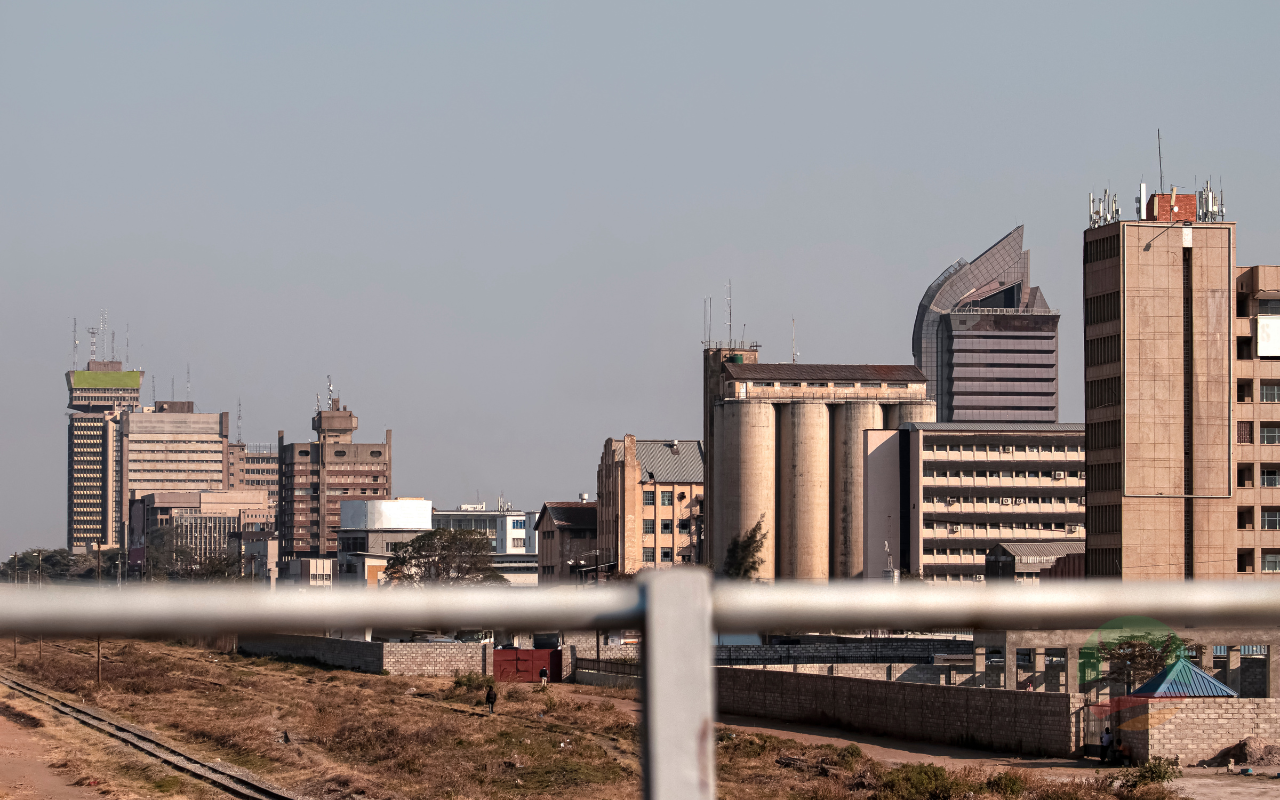
Photo: ZANISzanisGovernment of Zambia — editorial use
LUSAKA, 16 MAY 2026—Updated 8 Jul 2026
LUSAKA — Zambia has signed 19 Public-Private Partnership projects worth US$9.1 billion since 2022 and has a further 51 deals worth US$5.1 billion in the pipeline, Finance Minister Dr Situmbeko Musokotwane said in his farewell media briefing on Friday.
The combined portfolio stands at US$14.2 billion, the minister said. The model has contributed about US$1.7 billion to the Treasury within the average concession period and created more than 15,000 direct and 30,000 indirect jobs.
Musokotwane framed the PPP-heavy approach as a necessity inherited at the start of the UPND's term.
The new dawn administration led by His Excellency President Hakainde Hichilema inherited a challenged treasury, which made it difficult to pursue budget-financed infrastructure development. As a result, the government embarked on a journey of using the Public-Private Partnership (PPP) model as an alternative to financing national development.
— Dr Situmbeko Musokotwane, Finance and National Planning Minister, at his farewell briefing on Friday
Year-by-year, the 19 signed projects break down: one in 2022 (US$35 million), four in 2023 (US$925 million), five in 2024 (US$5.6 billion), three in 2025 (US$1.7 billion) and six in 2026 (US$780 million).
The headline deals
The single largest signed project is the Lobito Railway at US$5 billion, the Zambian leg of the US-backed Lobito Corridor that links Copperbelt copper to the Angolan Atlantic coast. The next-largest is the TAZARA revitalisation at US$1.4 billion — restoring the Tanzania-Zambia railway built in the 1970s.
On the road side, the Lusaka-Ndola Dual Carriageway combined with the Luanshya-Fisenge-Masangano upgrade is valued at US$649 million. The Luanshya-Fisenge-Masangano section is complete and operational; the dual carriageway itself is at 65 per cent completion. Musokotwane said the project has created more than 3,600 direct jobs and subcontracted US$50 million to local contractors.
Border-post deals include Lumwana-Kambimba (US$118 million), Sakania (US$76 million) and Kasumbalesa (US$110 million). On the western side, the Mutanda-Kasempa-Kaoma Road (US$326 million) opens access to Western Province from North-Western Province. The Mpongwe-Luansobe-Machiya Road (US$383 million) uses carbon credits to recover the investment, the minister said. Two student-housing projects — at the University of Zambia (US$37 million) and Mulungushi University (US$248 million) — sit alongside the transport-heavy mix.
The pipeline
The 51-project pipeline includes a Dar es Salaam to Ndola multi-petroleum product pipeline at an estimated US$2.2 billion — relevant alongside the IMF's recent call for Zambia to restore the TAZAMA open-access framework on the existing line. Other pipeline names: Kafue Bulk Water (US$540 million), Copperbelt University student housing (US$50 million), Lusaka West Water Supply (US$70 million), inland dry ports (US$75 million) and the Nseluka to Mpulungu railway (US$1 billion).
Three additional projects are in advanced negotiations and "will soon conclude", the minister said. He urged contracting authorities to ensure independent consultants are engaged before project implementation begins.
Background
The PPP push is explicitly tied to the Eighth National Development Plan, which identified PPPs as the alternative financing framework for toll infrastructure, large agricultural projects, railways, airports and ICT. Research from past Zambian development plans shows the model is also a hedge against the budget-financing constraints that have shaped the country's fiscal envelope since the 2020 default.
The geographic logic of the corridor work — Lobito, Walvis Bay, Nacala — pitches Zambia as the connecting hinterland for three of Southern Africa's main port routes. The Lobito leg alone now carries a US$5 billion PPP commitment behind it.
What to watch
Two near-term tests. First, whether the three projects in advanced negotiations close before the August election — the political-cycle freeze of cabinet decisions could push them into the next administration's diary. Second, whether the next Finance Minister, post-13 August, accelerates the 51-project pipeline or revisits the PPP-heavy approach. Musokotwane is among the cabinet members leaving cabinet to seek re-election.
Frequently Asked Questions
These are the questions readers have been asking since the briefing. Short answers follow, drawn from the Ministry of Finance public address and supporting development-plan documentation.
How many PPP projects has Zambia signed since 2022?
In short, 19, worth US$9.1 billion combined. The key is that the annual cadence accelerated in 2024 (five deals worth US$5.6 billion) and again in 2026 (six deals already).
What's the value of the pipeline?
Simply put, US$5.1 billion across 51 projects. According to the minister, the combined portfolio (signed plus pipeline) is US$14.2 billion.
What economic benefit does the government claim?
The answer is roughly US$1.7 billion in tax contribution within the average concession period, 15,000 direct and 30,000 indirect jobs, US$900 million subcontracted to local contractors, and US$460 million in government's revenue share. Research from past PPP audits shows realised benefits typically lag headline projections; the Ministry's framing here is the high-end estimate.
Which signed projects are largest?
According to the breakdown: Lobito Railway US$5 billion, TAZARA revitalisation US$1.4 billion, Lusaka-Ndola Dual Carriageway plus Luanshya-Fisenge-Masangano US$649 million. Data on completion percentages was disclosed only for Lusaka-Ndola (65 per cent).
Why has the UPND leaned on PPPs?
In other words, fiscal constraints inherited at the start of the term made budget-financed infrastructure difficult. Analysis of the Eighth National Development Plan demonstrates the framework explicitly identifies PPPs as the alternative for big-ticket transport and ICT investments.
Sources
Ministry of Finance and National Planning: farewell media briefing by Dr Situmbeko Musokotwane, 16 May 2026. Eighth National Development Plan (2022-2026): PPP financing framework.
More on Politics

Hichilema wins Zambia's 2026 election for a second term
Zambia's Electoral Commission has declared Hakainde Hichilema president-elect for a second term with about 61 per cent of the vote, over Brian Mundubile's 38 per cent, as the opposition rejects the count.

Press freedom groups urge Zambia to keep the internet on
The Committee to Protect Journalists and the #KeepItOn Coalition urged Zambian authorities and telecoms operators to keep internet access open through the 13 August election, as Amnesty International called for a detained journalist's release.
The Kwacha News briefing.
Business, markets and the Zambian economy — in your inbox.

