

Ethiopia's quiet tech awakening: lessons for the LuSE
Reforms to telecoms, banking and capital markets are pulling Ethiopian tech into view. The Lusaka Securities Exchange should be reading every page.
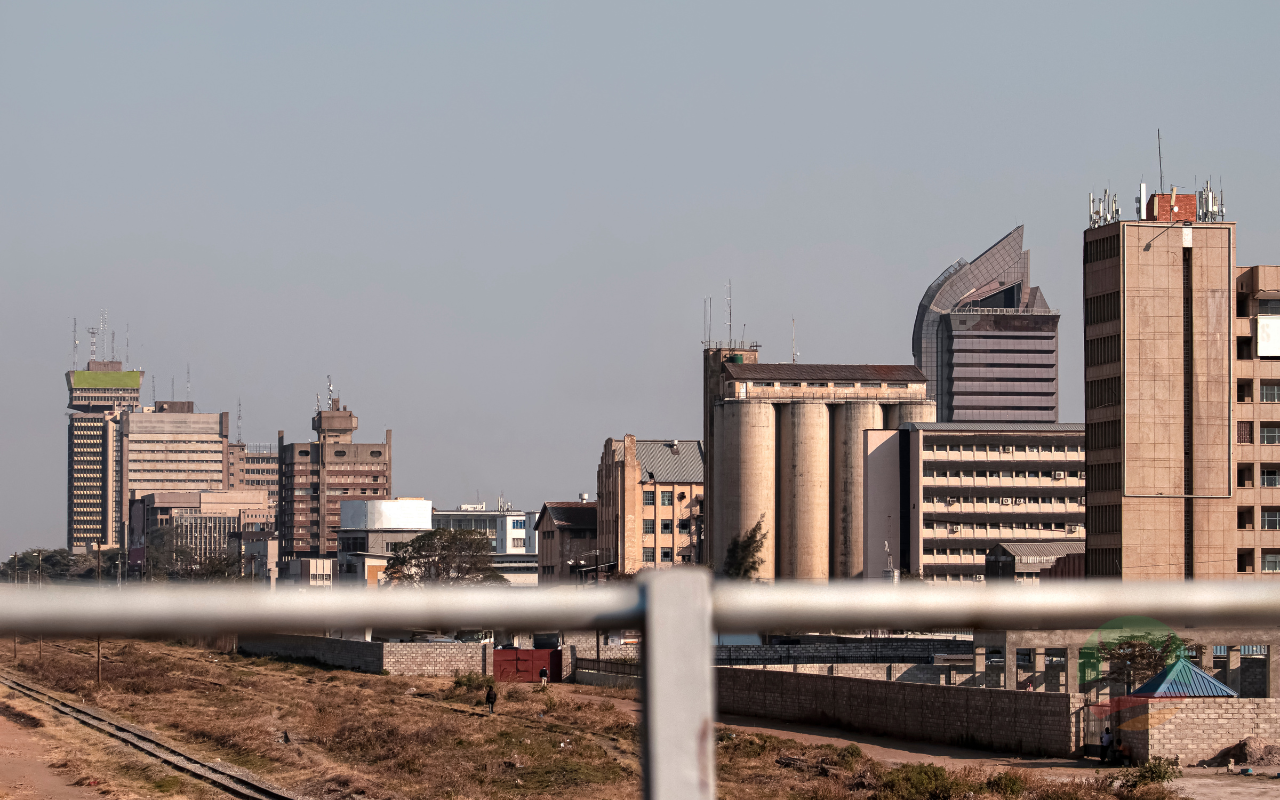
Photo: Christian Alemu / PexelsPexelsPexels License
LUSAKA, 19 MAY 2026—Updated 20 Jun 2026
Analysis
LUSAKA — Ethiopia's run of telecoms, banking and capital-market reforms is the closest African parallel to Zambia's late-1990s opening, and the LuSE has lessons to take from the sequencing.
African Business calls it a 'hidden tech awakening' — a once-state-dominated economy unwinding the telecoms monopoly, opening banking to foreign players and standing up the Ethiopian Securities Exchange for the first time. The read here is that Zambia did this earlier, and the LuSE can both learn from Ethiopia's sequencing and find practical co-listing and cross-border opportunities in the process.
What Ethiopia is actually opening
Three reforms matter. The first is telecoms: Ethio Telecom's monopoly broke when Safaricom entered the market via a consortium licence in 2022, and a second licensee has followed. The second is banking: foreign banks can now hold equity stakes in Ethiopian commercial banks, ending a decades-old protectionist stance. The third is the capital market: the Ethiopian Securities Exchange began trading in 2025 after years of preparatory work led by the Capital Market Authority.
Research carried by African Business demonstrates the order matters. Ethiopia opened the telco market first because the bandwidth and data layer is the precondition for everything else — fintech can't scale on Ethio Telecom's legacy network alone. Banking liberalisation came next, broadening the deposit base and bringing in foreign capital. The exchange came last, on the principle that you need both market-makers and listing candidates before you ring a bell.
Ethiopia's tech ecosystem is beginning to emerge from the shadows as reforms in telecoms, finance and capital markets reshape one of Africa's largest economies.
— African Business, Ethiopia's hidden tech awakening, May 2026
What the LuSE looks like by comparison
The Lusaka Securities Exchange (LuSE) is a generation older. It opened in 1994 and now lists around 30 equities and a deeper bond board. Daily turnover remains thin by regional standards — well below the Johannesburg Stock Exchange, smaller than the Nairobi Securities Exchange — and the listing pipeline has been slow despite a steady regulatory push.
Zambia's telecoms layer opened earlier than Ethiopia's. Airtel, MTN and Zamtel compete, mobile-money penetration is high, and the rails Ethiopia is only now building are operational in Zambia. The data shows Zambia is ahead on telecoms and mobile money but arguably behind on listed-equity depth. Ethiopia, ironically, may end up with a deeper exchange faster if it lists state assets at scale, while Zambia's exchange remains constrained by private-sector listing reluctance.
Ethiopia's sequencing
Telecoms first: break Ethio Telecom monopoly (2022) · Banking second: open ownership to foreign players (2024) · Capital market third: Ethiopian Securities Exchange trades (2025) · Listings to follow: state assets and private champions queued
What the LuSE can take from this
Three reads. The first is the dual-listing opportunity. The LuSE has the regulatory machinery, the custodians and the settlement infrastructure that Addis is only now building. A dual-listing arrangement between LuSE-listed Zambian companies operating in Ethiopia and the new Ethiopian Securities Exchange is the kind of cross-border product that can deepen turnover on both boards.
The second is the lesson on state-asset listings. The slow trickle of LuSE listings reflects, in part, the fact that Zambia's largest companies — ZESCO, ZCCM-Investments Holdings holdings, Zambia Sugar — have been privatised, partially-listed or fully-private for a long time. Ethiopia's pipeline is different: the state still owns substantial telecoms, banking and logistics assets, and listing those in tranches is the obvious deepening play.
The third is mobile-money integration. Zambia's mobile-money penetration is one of the highest in the region. Ethiopia's is climbing fast through Telebirr and Safaricom's M-Pesa. The bridge product is a regional mobile-money clearing layer — and Afreximbank's Pan-African Payment and Settlement System is the natural settlement rail. The LuSE has no direct role in that layer, but the equity story for Zambian banks does — and that runs through LuSE-listed banks like Stanbic Zambia, Zanaco and the local subsidiaries.
Frequently Asked Questions
These are the questions Zambian investors and market participants have been asking about Ethiopia's reform sequence. Short answers follow, drawn from public Ethiopian Capital Market Authority filings and African Business reporting.
What is the Ethiopian Securities Exchange?
In short, the Ethiopian Securities Exchange is the country's first formal stock exchange, established under the Capital Market Proclamation and operational from 2025. The key is that it ends a decades-long absence of public-equity trading infrastructure in Ethiopia. The answer is that listings are expected to begin with state-owned enterprises in tranches.
How does the LuSE compare?
Simply put, the LuSE is older, smaller in market cap than the Nairobi or Johannesburg exchanges, and has roughly 30 equity listings. According to LuSE filings, daily turnover remains thin. The data shows the LuSE has the regulatory and operational depth that Ethiopia is only now building, but a shallower listing pipeline.
Why is Ethiopia opening up now?
The answer is FX pressure, debt restructuring and a generational shift in economic strategy. In other words, Ethiopia's reform programme has been negotiated alongside IMF financing and shaped by the need to attract foreign capital after years of state-led development. Research carried by African Business shows the telecoms and banking opening was the unlock that made the exchange viable.
How can Zambian companies benefit?
The key is dual-listing and intra-African settlement. Zambian companies with Ethiopian operations can pursue dual listings as the Ethiopian exchange deepens. Evidence from the Pan-African Payment and Settlement System shows intra-African flows are increasingly settleable in local currency, lowering FX cost for cross-border business.
Who is leading Ethiopia's capital-market push?
Analysis from African Business identifies the Capital Market Authority and the Ministry of Finance as the institutional anchors. The Authority sets the rulebook; the Ministry stages the state-asset listings. Evidence from the proclamation timeline demonstrates that the political will has held through ministerial reshuffles, which is unusual for reforms of this scale.
What to watch
Two signals over the next eighteen months. The first is the Ethiopian Securities Exchange's first wave of state-asset listings — when Ethio Telecom or Commercial Bank of Ethiopia begins trading, the depth question gets answered. The second is whether the LuSE responds with a dedicated dual-listing window for Ethiopian-exposed Zambian companies, the obvious commercial play.
Sources
More on Markets

Zambia's inflation holds at 6.5% for a second month
Annual inflation stayed at 6.5% in July 2026, ZamStats said. Food inflation eased to 6.4% while non-food rose to 6.7%, holding the headline rate inside the central bank's target band.

Bank of Zambia cuts kwacha reserve ratio to 21%
The Bank of Zambia cut the statutory reserve ratio on kwacha deposits to 21% from 26%, freeing about K5 in every K100 of deposits for lending. The ratio on foreign-currency deposits stays at 36%.

El Niño returns: a double risk to Zambia’s copper and maize
A powerful El Niño is forming in the Pacific: good for the copper price Zambia’s budget leans on, bad for the rains its maize and hydropower depend on. It points both ways at once.
The Kwacha News briefing.
Business, markets and the Zambian economy — in your inbox.