

Bank of Zambia ends cheque payments from 24 June 2026
Circular 08/2024 sets the final cheque deposit day as Wednesday 24 June 2026, the close of an 18-month phase-out that has already stopped new cheque-book issuance.
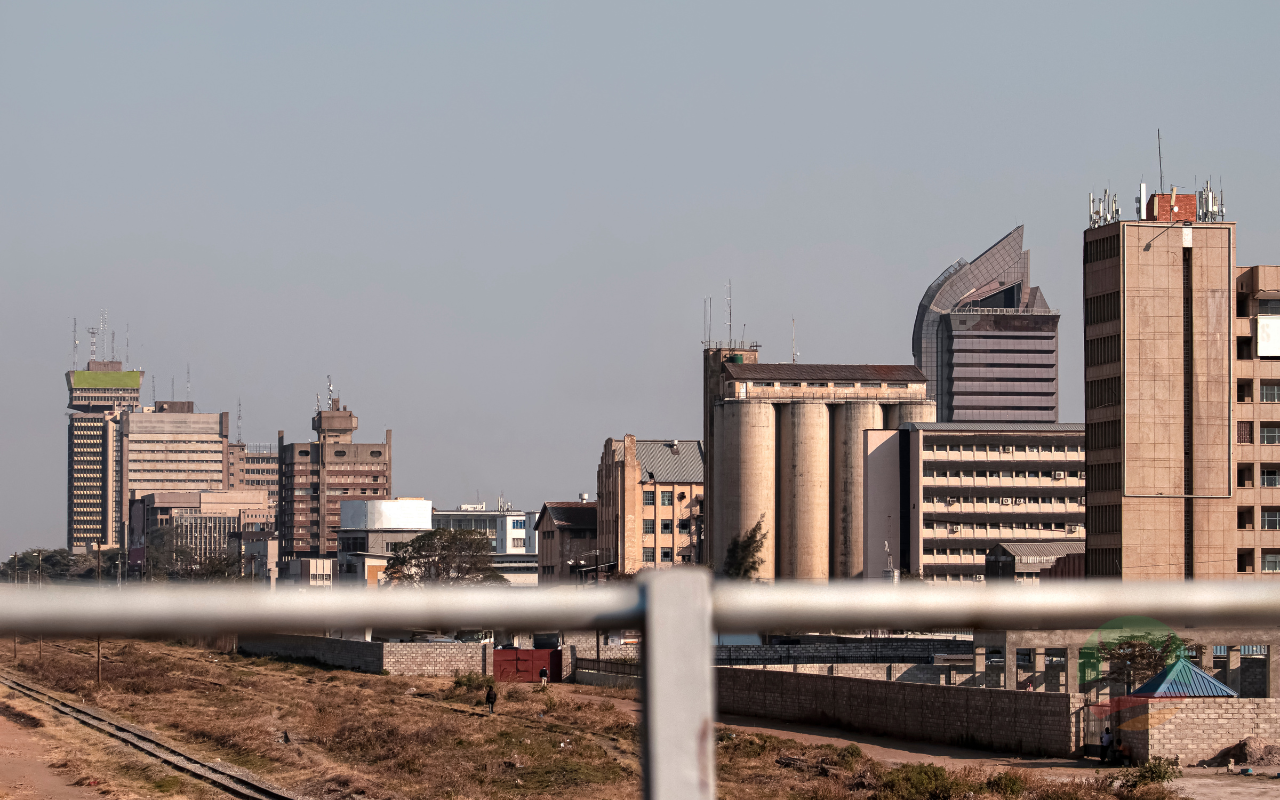
Photo: ChongkianwikidataCC BY-SA 4.0
LUSAKA, 18 MAY 2026—Updated 8 Jul 2026
LUSAKA — The cheque is on its way out of the Zambian payment system. The final day a customer can deposit a cheque at any commercial bank is Wednesday 24 June 2026.
That deadline is the close of an 18-month phase-out set out in Circular 08/2024, issued by the Bank of Zambia on 27 December 2024. Commercial banks stopped issuing new cheque books to customers after 28 February 2025, and have been working through outstanding cheque stock ever since.
The Bank's rationale is plain. Cheque transactions have fallen by about 80 per cent over the past decade as customers moved to electronic payment methods, the circular said. The instrument has also become disproportionately exposed to fraud: forgery, alteration, theft of cheque books and unauthorised use. The central bank concluded that the maintenance cost of running a parallel paper-clearing system outweighed the residual user base.
What the timeline looks like
The path to 24 June was set out in advance, not on the day. The dates customers and businesses need to track are these.
What the Bank is asking customers to use
The circular names the replacement rails explicitly: internet and mobile banking, electronic funds transfer (EFT), mobile money platforms, automated teller machines and point-of-sale terminals. All five are already mature in the Zambian market; the policy choice is to consolidate volume on them rather than maintain a sixth rail that is in run-off.
The Bank developed the policy through a public-consultation programme run between July and November 2024, in collaboration with the Public Private Dialogue Forum (PPDF) and the Zambia Information and Communications Technology Authority (ZICTA). The consultations covered commercial banks, retailers, the legal profession and the cooperative movement — the four constituencies that retained the largest cheque footprint.
What commercial banks are saying
Tier-one commercial banks are now running their own customer-communication campaigns ahead of the deadline. Zambia National Commercial Bank (Zanaco), the country's largest commercial bank by branch network, published a customer notice on 13 April reiterating the 24 June deadline and naming the alternative channels its own customers should adopt. Other commercial banks have followed with similar notices.
Cheque transactions have declined by 80 per cent in the last 10 years, with the emergence of electronic payment methods and the insecurity that makes cheques more prone to frauds associated with forgery, alterations, theft of cheque books and unauthorised use.
— Bank of Zambia, Circular 08/2024 on phasing out cheques as a payment instrument in Zambia, 27 December 2024
What this means for businesses
The constituencies most affected are the ones that have continued to use the cheque as a control mechanism: small and medium businesses that pay suppliers on cheque to enforce a 7-to-14 day clearance float, law firms that move client funds through trust accounts, and the cooperative movement, where treasurer dual-signature controls have historically been built around the cheque book. Each of these can be reconstructed on electronic rails — EFT batch files with dual approval, escrow accounts that hold and release on instruction — but the rebuild has to be done before 24 June, not after.
The hard date also forces a reconciliation of any uncashed cheque stock currently sitting in business mailrooms. A cheque issued in May 2026 that has not been deposited by 24 June will not clear. The practical advice from commercial banks is to retire all outstanding cheque stock by end of May and issue replacements via EFT.
Beware the fake notice
The phase-out announcement was preceded in mid-2024 by a fake notice that circulated on social media claiming the Bank had already ended cheque acceptance. The Bank of Zambia issued a correction at the time, confirming that the only authoritative notice is the one published on its own channels. The fact-check site iverify.org.zm documented the false notice and the Bank's correction. Customers and businesses should treat any cheque-related document not bearing the Bank's circular reference (08/2024) and not hosted on boz.zm as unverified.
What to watch
Two signals will tell editors and treasurers whether the transition is on track. First, the monthly cheque clearing volume reported in the Bank of Zambia's payment-system statistics: if April and May volumes are running tens of per cent above March, run-off has stalled and the market is back-loading. Second, whether the Bankers Association of Zambia publishes a joint statement reinforcing the cut-off, or whether individual banks start hedging on the deadline. A unified statement is the marker that the system is moving as one.
Frequently Asked Questions
These are the questions readers have been asking since the 24 June 2026 deadline came into view. Short answers follow, drawn from BoZ Circular 08/2024 and commercial-bank customer notices.
What is the Bank of Zambia's cheque phase-out?
In short, the phase-out is the structured retirement of cheques as a payment instrument in Zambia. The answer, simply put, is that no commercial bank will honour a cheque after the final clearing day of Wednesday 24 June 2026. The key is that the policy was set in Circular 08/2024, issued on 27 December 2024, after public consultations between July and November 2024.
How does the new cut-off work for outstanding cheques?
Any cheque deposited at any commercial bank before close of business on 24 June 2026 is honoured under the normal clearing rules. According to the BoZ circular, no cheque presented from 25 June onward will clear. Research from past payment-system transitions shows that the final two weeks before such a deadline carry the highest reconciliation risk; commercial banks are recommending customers retire outstanding cheque stock by end of May to leave a clean margin.
Why is Zambia phasing out cheques now?
Cheque use in Zambia has fallen by about 80 per cent in the past decade as customers moved to electronic payment platforms. According to the Bank's own data, the maintenance cost of running the cheque-clearing infrastructure no longer matched the residual volume. The answer is that the cheque had become a long-tail product carrying fraud risk and infrastructure cost without serving a meaningful number of payments.
Who is affected by the cheque phase-out?
In other words, the change reaches every business and individual that still issues or receives cheques: small and medium enterprises that use cheques to manage supplier float, law firms running trust accounts, the cooperative movement and any organisation whose dual-signatory controls are built around a cheque book. Each of these can be reconstructed on electronic rails — EFT batch files with multi-party approval, escrow accounts with instruction-based release — but the rebuild has to be complete before 24 June, not after.
What are the real risks of the cheque cut-off?
Analysis of past payment-system transitions in southern Africa shows three durable risks. Evidence from the South African experience reveals each is operational, not theoretical. The first is reconciliation: businesses with cheque stock in transit on 25 June face a write-off if the cheque was not cashed in time. The second is control gap: organisations whose internal controls relied on the cheque book's dual-signature mechanic must implement an electronic equivalent before the cut-off, not after. The third is fraud: the run-off period is historically when fraudulent cheques are presented, exploiting the closing window.
Sources
Bank of Zambia: Circular 08/2024 on phasing out cheques as a payment instrument in Zambia, 27 December 2024. Bank of Zambia on X: correction on a false notice circulating online, July 2024. Zambia National Commercial Bank: customer notice — phasing out cheques by 24th June 2026, 13 April 2026. iVerify Zambia: fact-check on the social-media misinformation.
More on Business & Economy

Guinea bans raw gold exports as Africa pushes local refining
Guinea has banned raw gold exports and now demands local refining, African Business reported. For Zambia, whose copper still leaves largely unprocessed, the move sharpens a long-running question about where the value is captured.

Zambia cuts fuel prices again as shop prices stay high
Zambia's Energy Regulation Board cut pump prices for a third straight month in August 2026, but transport fares and food prices remain high and non-food inflation is rising.

Zambia's trade surplus narrows to K4.2bn as imports jump
Zambia recorded a K4.2 billion trade surplus in June 2026, down from K7.0 billion in May, as imports rose 10.2% and exports fell 1.6%, ZamStats said.
The Kwacha News briefing.
Business, markets and the Zambian economy — in your inbox.